Introduction to Performance Anxiety
Most people believe performance anxiety only happens to beginners or people who lack talent. However this idea is misleading. In reality even confident skilled and experienced people struggle with anxiety under pressure. Performance anxiety is not a weakness. Instead it is a natural stress response that appears when expectations feel heavy and the mind fears judgment.
Understanding Anxiety in Everyday Life
1.1 What Performance Anxiety Feels Like in Real Life
In daily situations performance anxiety feels like losing control at the worst moment. For example you know your material yet your mind goes blank. Your chest feels tight and your focus breaks. Anxiety during performance often shows up as overthinking fear of mistakes and strong self doubt. As a result performance stress steals attention and makes simple tasks feel hard. This fear while performing can happen at work in exams or even during casual conversations.
1.2 Why Fear While Performing Is More Common Than People Admit
Surprisingly fear while performing affects more people than they openly say. Most hide it because they think it signals weakness. However performance related anxiety is driven by the fear of judgment not lack of ability. In social settings work meetings or public speaking situations anxiety under pressure grows quietly. Because of this many people believe they are alone when they are not. Nervousness during performance is a shared human experience.
1.3 How Anxiety During Performance Affects Daily Life and Goals
Over time anxiety during performance impacts confidence focus and motivation. Instead of enjoying progress people begin avoiding pressure situations. Consequently goals get delayed and opportunities feel risky. Performance worry slowly shapes behavior and choices. When left unchecked Fear of performin can turn into a habit that limits growth and self trust.
What Is Performance Anxiety and Why It Happens
Many assume Fear of performing is random or caused by external pressure alone. Yet the truth is deeper. Performance anxiety begins inside the mind. It grows from learned stress reactions repeated thoughts and fear based thinking patterns.
Definition and Meaning of Performance Anxiety
2.1 Simple Definition of Fear of performing
Fear of performing is the fear response that appears when you feel evaluated. It is anxiety during performance where attention shifts from the task to worrying about outcomes. This anxiety under pressure creates mental blocks and emotional tension. It is not danger. It is the brain trying to protect you in the wrong way.
Causes of Performance Anxiety in Adults
2.2 What Causes Performance Anxiety in Adults
Several factors fuel performance anxiety in adults. Past failures high expectations and negative self talk play a major role. Additionally pressure to succeed creates internal stress. Over time the brain links performance situations with fear. As a result anxiety triggers activate even before the event begins.
2.3 Pressure to Succeed Fear of Judgment and Fear of Failure
Pressure to succeed makes every task feel like a test. Fear of judgment amplifies self awareness. Fear of failure adds emotional weight. Together these forces create anxiety under pressure that feels intense and personal. Performance stress rises because the mind focuses on outcomes instead of actions.
2.4 Anxiety Under Pressure in Work Study and Social Life
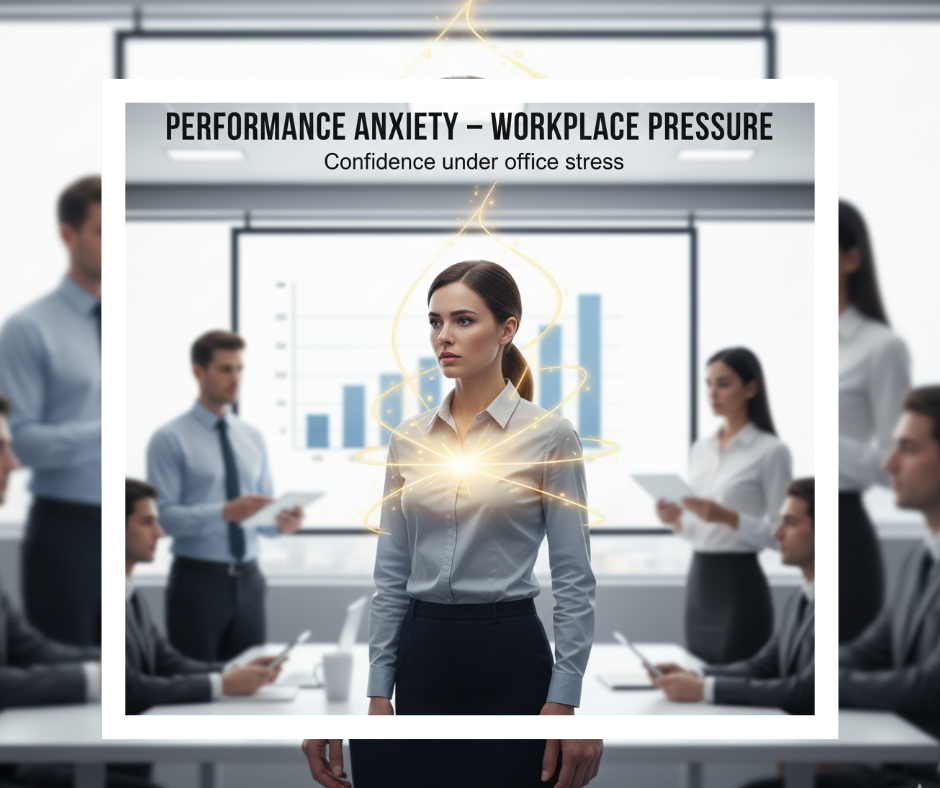
Anxiety under pressure shows up differently in each area of life. At work it affects presentations and meetings. In studies it increases exam stress. In social life it creates fear while performing in conversations. Across all settings the pattern stays the same. Fear of performing narrows focus and increases mental tension.
Performance Anxiety Symptoms and Signs
The idea that Fear of performing only shows up right before a big moment is misleading. In reality the signs often appear much earlier and in subtle ways. These symptoms grow quietly and affect thoughts emotions and the body long before anyone notices them from the outside.
Recognizing Performance Anxiety Symptoms Early
3.1 Mental Symptoms Like Overthinking Self Doubt and Negative Thoughts
At first Fear of performing lives in the mind. Thoughts loop again and again. Overthinking performance becomes automatic. Self doubt replaces confidence even when skills are strong. Negative thoughts question every move and outcome. As a result focus shifts away from the task and toward fear of failure. Anxiety during performance feeds on this mental noise and makes simple actions feel heavy.
3.2 Physical Symptoms Like Nervousness Tension and Panic Symptoms
Soon after mental pressure physical reactions appear. The body tightens. Hands feel shaky. Breathing becomes shallow. Nervousness during performance often shows up as muscle tension sweating or a racing heart. In intense cases panic symptoms like dizziness or chest tightness appear. Anxiety under pressure activates the stress response even when there is no real danger.
3.3 Emotional Pressure Before Performance Situations
Before the event emotional pressure starts building. Worry increases. Fear while performing feels closer and stronger. This emotional load creates performance stress that drains energy. Instead of excitement there is dread. Consequently motivation drops and avoidance feels tempting. Emotional pressure becomes a warning signal the mind associates with performance situations.
3.4 How Performance Anxiety Symptoms and Signs Build Over Time
Over time these symptoms connect and reinforce each other. Mental stress triggers physical tension. Physical tension increases emotional fear. Each experience strengthens the pattern. Fear of performing symptoms and signs slowly become familiar reactions. Without awareness anxiety during performance turns into a habit instead of a moment.
How Performance Anxiety Affects Confidence and Focus
The belief that Fear of performing only affects emotions misses the full impact. In truth it directly weakens confidence and attention. These changes happen gradually and shape how a person performs and decides.
Impact of Performance Stress on Confidence
4.1 Confidence Problems Created by Performance Stress
Performance stress chips away at self trust. After repeated anxious experiences confidence problems appear even outside pressure situations. The inner critic grows louder. Past successes feel distant. As a result performance related anxiety convinces the mind that failure is likely even when evidence says otherwise.
4.2 Focus Problems and Mental Blocks During Performance
During Fear of performing attention narrows in the wrong direction. Instead of focusing on the task the mind watches itself. Focus problems increase. Mental blocks interrupt memory flow and decision making. Anxiety during performance pulls awareness away from the present moment and locks it onto fear based thoughts.
4.3 The Stress Response and Its Effect on Results
The stress response prepares the body to react not to perform calmly. Heart rate rises muscles tense and thinking becomes rigid. While this response helps in danger it hurts performance tasks. Under anxiety under pressure creativity recall and clarity drop. Results suffer not because of ability but because the system is overloaded.
4.4 Why Anxiety During Performance Lowers Potential
Over time anxiety during performance lowers potential by setting invisible limits. People stop aiming higher. Opportunities feel risky. Growth slows. Performance worry replaces curiosity and confidence. When fear controls focus true ability never fully shows up.
Performance Anxiety Before Public Speaking and Exams
The idea that fear disappears with preparation sounds comforting but it is not accurate. Even when someone practices well anxiety under pressure can still show up. Fear of performing before public speaking or exams is not about knowledge gaps. Instead it is about how the mind reacts when attention feels focused on you.
Performance Anxiety in Speaking and Testing Situations
5.1 Public Speaking Fear and Fear of Embarrassment
Standing in front of others often triggers public speaking fear instantly. Thoughts rush in and fear of embarrassment takes over. Anxiety during performance makes people imagine forgetting words or being judged. As a result the body tightens and confidence drops. This fear while performing grows stronger because the mind believes every mistake will be noticed.
5.2 Exam Stress and Pressure Situations
Exam stress feels different but follows the same pattern. Time limits expectations and silence create pressure situations. Anxiety under pressure pushes the brain into survival mode. Memory feels blocked and focus slips. Despite knowing the answers performance stress convinces the mind that failure is close. This reaction explains why exam stress affects even strong students.
5.3 Fear of Mistakes and Fear of Judgment
Fear of mistakes sits at the core of performance anxiety. Every small error feels costly. Fear of judgment adds emotional weight to each action. Because of this performance worry increases before the task even begins. Anxiety during performance then feeds on these fears and grows stronger with each second.
5.4 Why Performance Anxiety Before Public Speaking Feels Intense
Public speaking feels intense because attention feels exposed. The brain reads visibility as risk. As a result anxiety during performance spikes faster than in other tasks. Performance anxiety before public speaking combines fear of failure fear of embarrassment and fear of judgment into one powerful reaction.
Fear of Failure and Performance Anxiety
The belief that fear of failure motivates better performance misses an important truth. In reality fear of failure often fuels anxiety under pressure and blocks natural ability. Instead of pushing forward it pulls attention into worry.
How Fear Shapes Performance Anxiety
6.1 How Fear of Failure Fuels Anxiety Under Pressure
Fear of failure tells the mind that mistakes equal loss. Under pressure this belief activates anxiety responses quickly. Performance related anxiety grows because the brain focuses on outcomes instead of actions. As a result anxiety under pressure feels overwhelming and constant.
6.2 Expectations Pressure Thoughts and Inner Critic
High expectations increase pressure thoughts. The inner critic becomes louder and more demanding. Each task feels like a test of worth. Consequently performance stress rises and confidence weakens. Anxiety during performance feeds on these internal demands.
6.3 Performance Worry and Self Confidence Issues
Performance worry slowly erodes self belief. Even past success feels unreliable. Self confidence issues appear because the mind remembers fear more than achievement. Over time performance anxiety convinces people they are not capable even when evidence proves otherwise.
6.4 Breaking Fear Based Thinking Patterns
Change begins by noticing fear based thinking patterns. Awareness reduces their power. When fear of failure loses control anxiety under pressure weakens. Fear of performing becomes manageable once thoughts shift from judgment to action and from outcome to presence.

How to Overcome Performance Anxiety Naturally
The common belief says Fear of performing disappears only after confidence arrives. That idea creates frustration. In reality confidence grows after anxiety is handled not before. Performance anxiety can be reduced naturally by changing daily habits thought patterns and emotional responses without forcing anything.
Natural Ways to Reduce Fear of performing
7.1 How to Overcome Performance Anxiety Naturally Step by Step
Progress starts with awareness. First notice when anxiety under pressure begins. Next shift attention from outcomes to actions. Small steps like preparing calmly and practicing presence reduce performance stress. Over time anxiety during performance weakens because the brain learns safety instead of threat. This step by step approach builds trust in your ability.
7.2 Calming the Mind Using Simple Daily Habits
Daily habits shape mental calm. Short pauses breathing moments and quiet reflection reset the nervous system. Consistent sleep movement and mindful breaks lower performance related anxiety. As a result fear while performing loses intensity. These simple habits work because repetition trains the mind to stay steady.
7.3 Emotional Control and Mental Calm Basics
Emotional control does not mean suppressing feelings. It means allowing emotions without reacting to them. When fear shows up observe it instead of fighting it. This response reduces emotional pressure and supports mental calm. Anxiety under pressure fades faster when emotions are accepted rather than resisted.
7.4 Anxiety Coping Skills That Actually Work
Effective anxiety coping skills focus on the present moment. Grounding techniques thought labeling and body relaxation help regulate reactions. These skills interrupt performance worry before it grows. Over time performance anxiety becomes easier to manage because the mind feels supported.
Ways to Calm Performance Anxiety Fast
The belief that calming anxiety takes long practice keeps people stuck. Relief can happen quickly when the right tools are used. Performance anxiety fast relief is possible by calming the body first then guiding the mind.
Quick Techniques for Anxiety During Performance
8.1 Ways to Calm Performance Anxiety Fast Before Important Moments
Before an event slowing the body brings immediate relief. Simple movements posture adjustments and intentional pauses reduce anxiety under pressure. When the body relaxes the mind follows. This method helps calm Pressure to perform fast without overthinking.
8.2 Simple Breathing and Grounding Techniques
Breathing deeply and steadily sends a safety signal to the brain. Grounding through physical awareness anchors attention. These techniques reduce nervousness during performance. Focus returns because attention moves away from fear and into sensation.
8.3 Managing Panic Symptoms in the Moment
Panic symptoms feel intense but they pass. Naming sensations and staying present reduces their impact. Instead of reacting observe the experience. This approach lowers fear while performing and shortens anxiety episodes. Control returns faster than expected.
8.4 Anxiety Relief Techniques for Quick Focus
Quick focus comes from simplifying attention. Choose one small task and stay with it. This reduces mental noise and performance stress. Anxiety relief techniques work best when attention stays narrow and calm rather than scattered.
Mental Techniques for Performance Anxiety
The idea that the mind must be forced into positivity to fix Pressure to perform is misleading. Real change does not come from fighting thoughts. Instead it comes from guiding attention and training awareness. Mental techniques work best when they feel simple natural and repeatable.
Using the Mind to Reduce Anxiety
9.1 Mental Techniques for Anxiety Explained Simply
Mental techniques focus on where attention goes. When anxiety during performance appears shift focus from results to process. Naming thoughts instead of believing them creates distance. This approach reduces performance stress because the mind no longer reacts to every fear signal. Simple awareness brings control back.
9.2 Mindset Training and Awareness Building
Mindset training builds familiarity with pressure. Awareness grows when you notice reactions without judgment. Each moment of awareness weakens anxiety under pressure. Over time performance related anxiety loses its grip because the brain learns a calmer response pattern.
9.3 Handling Negative Thoughts and Overthinking Performance
Negative thoughts feel convincing during pressure moments. Overthinking performance magnifies small worries into big threats. Instead of arguing with thoughts label them as mental noise. This technique reduces fear while performing and restores focus. Attention returns to the task instead of imagined outcomes.
9.4 Building Mental Resilience Naturally
Mental resilience grows through repetition not force. Facing small pressure situations builds strength gradually. Each calm response trains confidence. As a result anxiety during performance feels less intense. Resilience forms when the mind trusts its ability to handle discomfort.
Simple Exercises to Reduce Performance Anxiety
The belief that exercises must be complex keeps people stuck. In reality simple actions repeated daily create powerful results. Pressure to perform responds well to consistency rather than intensity.
Practical Exercises for Performance Anxiety Relief
10.1 Simple Exercises to Reduce Pressure to perform Daily
Daily exercises work best when short and focused. Visualization of calm performance trains the brain for safety. Gentle exposure to pressure situations reduces performance worry. These exercises lower anxiety under pressure by creating familiarity.
10.2 Releasing Nervous Energy During Performance
Nervous energy needs movement not suppression. Small physical actions like grounding feet or controlled motion release tension. This reduces nervousness during performance and supports steady focus. Energy shifts from fear to presence.
10.3 Confidence Building Practices Anyone Can Do
Confidence grows through evidence. Small wins recorded daily reinforce self trust. Positive self talk based on facts supports belief. Over time performance stress decreases because confidence feels earned not forced.
10.4 Anxiety Control Through Repetition
Repetition teaches safety. Each calm performance experience rewires response patterns. Anxiety control improves as the mind recognizes familiar pressure without panic. Pressure to perform becomes manageable when calm reactions repeat often.

How to Build Confidence Under Pressure
Many assume that confidence only comes naturally or after years of experience. That assumption is misleading. Confidence can be built deliberately even in high pressure situations. It grows through awareness, preparation, and consistent practice rather than waiting for a “perfect moment.”
Building Confidence Step by Step
11.1 How to Build Confidence Under Pressure Naturally
Confidence under pressure develops when you focus on what you can control instead of outcomes. Breaking tasks into small steps and celebrating small wins helps the mind trust its abilities. Anxiety under pressure decreases because each success reinforces mental calm and self-belief. Over time performance anxiety feels less intimidating.
11.2 Preparation and Performance Mindset Training
Preparation goes beyond knowing the material. Mental rehearsal and performance mindset training condition the brain to handle pressure. Visualization of smooth execution reduces fear while performing. When preparation combines action with mental practice, anxiety during performance loses intensity.
11.3 Staying Calm and Focused in Pressure Situations
Calm focus comes from attention management. Instead of worrying about judgment or mistakes, shift focus to the process and your immediate actions. Simple grounding, mindful breathing, and stepwise thinking keep the mind anchored. Performance worry drops when focus is actively directed.
11.4 Reducing Performance Stress Through Clarity
Clarity reduces uncertainty, which is a major trigger of anxiety during performance. Knowing your goals, steps, and priorities minimizes mental clutter. Breaking big tasks into manageable actions lowers performance stress and allows confidence to grow naturally.
Performance Anxiety and Fear of Judgment
There is a common belief that fear of judgment is irrational or a sign of weakness. In reality, it is a normal response, but it becomes a problem when it dominates performance. Awareness and targeted strategies can reduce its impact.
Understanding and Managing Judgment Anxiety
12.1 Fear of Judgment and Social Anxiety Signs
Fear of judgment appears as second-guessing, overthinking, and self-consciousness. Social anxiety signs may include physical tension, rapid heartbeat, and avoidance of attention. Recognizing these signs early helps in managing anxiety during performance effectively.
12.2 Anxiety Triggers in Social and Professional Settings
Triggers can be anything from presentations and meetings to social gatherings. High expectations and perceived scrutiny amplify performance anxiety. Awareness of personal triggers allows proactive management and reduces nervousness during performance.
12.3 Reducing Fear While Performing in Front of Others
Shifting focus from the audience to the task itself helps reduce fear while performing. Engaging with the content, not imagined judgment, keeps anxiety under control. Simple grounding techniques and mental rehearsal before social or professional events build confidence and reduce performance worry.
12.4 Emotional Awareness for Long Term Calm
Developing emotional awareness creates long-term calm. Observing feelings without judgment and acknowledging anxiety without resisting it reduces emotional pressure. Over time, performance anxiety under pressure becomes manageable, and confidence grows naturally in social and professional contexts.
Anxiety During Performance and Staying Present
Many assume that anxiety during performance is always predictable or gradual. That is not true. Often it spikes suddenly and without warning, even in situations you feel fully prepared for. This sudden surge is the body and mind reacting to perceived pressure, not a reflection of your ability.
Managing Anxiety in the Moment
13.1 Why Anxiety During Performance Suddenly Spikes
Anxiety spikes when the brain interprets high stakes as a threat. Even small mistakes or unexpected situations can trigger a flood of stress hormones. Performance related anxiety feels stronger in these moments because the mind focuses on potential outcomes rather than the task at hand. Nervousness during performance often escalates faster than expected.
13.2 Staying Present Instead of Panicking
The key to handling sudden anxiety is staying present. Ground yourself by noticing sights, sounds, or sensations. Shift attention from imagined judgments to the current action. This simple change reduces fear while performing and prevents mental blocks. Staying present keeps focus sharp and stress manageable.
13.3 Managing Mental Pressure in Real Time
Real-time mental pressure requires conscious awareness. Break the task into small steps and tackle one action at a time. Mental techniques like thought labeling, reframing, and controlled breathing help prevent panic. By managing mental pressure as it arises, performance anxiety loses its power quickly.
13.4 Turning Nervousness Into Focus
Nervous energy can be redirected into focus instead of panic. Use it to heighten awareness, improve reaction speed, or maintain rhythm. This turns fear into a productive ally rather than a limiting factor. Over time, performance anxiety during pressure situations becomes an opportunity to sharpen skills rather than a roadblock.
Long Term Strategies for Performance Related Anxiety
The belief that performance anxiety cannot change long-term is false. With consistent habits and awareness, anxiety under pressure can reduce permanently. Long-term strategies focus on routine, mindset, and emotional regulation.
Building Resilience Over Time
14.1 Stress Management Habits for Long Term Relief
Daily stress management practices like meditation, physical activity, and structured breaks reduce baseline anxiety. Regular practice trains the body to respond calmly even in performance situations. Performance anxiety gradually decreases because the brain learns familiarity instead of threat.
14.2 Emotional Control and Consistency Over Time
Consistent emotional control develops resilience. Observing feelings without reacting and maintaining consistent routines creates stability. Over time, emotional responses to performance pressure become predictable and manageable, lowering fear while performing.
14.3 Confidence Building as a Daily Practice
Daily confidence-building exercises, small challenges, and successes reinforce self-belief. This continuous practice reduces performance worry. Even under pressure, the mind recalls prior success and trust replaces fear. Performance anxiety under pressure loses intensity.
14.4 Reducing Performance Related Anxiety Permanently
Long-term reduction happens when stress management, emotional awareness, and confidence-building combine. Repetition creates new mental patterns. The brain learns that pressure is manageable. Over time, anxiety during performance becomes temporary instead of habitual, allowing full potential to show.
When Performance Anxiety Becomes a Habit
Many believe that performance anxiety only shows up in isolated situations and disappears with time. That assumption is misleading. For some, anxiety becomes habitual, repeating automatically in familiar performance scenarios. Once the brain associates pressure with fear, performance anxiety turns into a patterned reaction rather than a one-time stress response.
Breaking the Habit of Anxiety
15.1 Repeated Anxiety Reactions and Stress Habits
When performance anxiety repeats, the mind starts anticipating stress even before the event begins. Repeated anxiety reactions create stress habits, where nervousness and self doubt become automatic. Over time these reactions feel normal, even though they limit performance and confidence.
15.2 Overthinking Performance and Mental Tension
Habitual anxiety encourages overthinking. Every step is questioned, every outcome doubted. Mental tension builds silently and multiplies stress under pressure. Performance worry becomes part of the routine, making focus and calm nearly impossible without intervention.
15.3 Breaking the Anxiety Cycle with Awareness
Awareness is the first step to breaking the cycle. Noticing patterns, labeling anxious thoughts, and separating fear from reality interrupts automatic responses. When the mind recognizes habitual performance anxiety, it can respond differently, reducing nervousness during performance gradually.
15.4 Creating a Calm Performance Mindset
Replacing habitual anxiety with a calm mindset requires practice. Small exercises, mindful presence, and focusing on the process instead of imagined outcomes create lasting changes. Over time, the brain associates performance with control rather than fear, making anxiety manageable instead of automatic.
Final Thoughts on Performance Anxiety
The belief that performance anxiety is permanent can discourage many. In truth, performance anxiety is fully manageable with awareness, practice, and consistent strategies. It does not define potential or limit what you can achieve.
Managing and Overcoming Anxiety Effectively
16.1 Why Performance Anxiety Is Manageable
Performance anxiety is a response, not a personal flaw. Understanding its patterns, triggers, and effects gives control back to you. Awareness, coping skills, and practice reduce anxiety naturally over time.
16.2 Small Steps That Create Big Confidence Shifts
Even small changes matter. Daily grounding exercises, mental rehearsal, and focus on action rather than outcome gradually strengthen confidence. These small steps accumulate, creating noticeable improvements in calm and performance.
16.3 Encouragement to Face Anxiety Under Pressure
Facing anxiety directly rather than avoiding it builds resilience. Each pressure situation becomes an opportunity to train the mind. Performance anxiety under pressure gradually loses intensity when approached with curiosity and practice.
16.4 Closing Message Focused on Calm Confidence
Ultimately, performance anxiety does not have to control your life. With awareness, consistent habits, and simple mental techniques, you can maintain calm, stay focused, and perform at your best. Confidence grows from action, presence, and practice rather than from avoiding stress altogether.
Feeling overwhelmed or stuck is not something you have to face alone. Reach out to us today and take the first step toward relief and support. Our team is here to listen, guide, and help you find practical ways to feel better. Don’t wait—your mental well-being matters. Contact us now and start your journey to calm, clarity, and hope.