Introduction to Self Hypnosis and Why It Matters
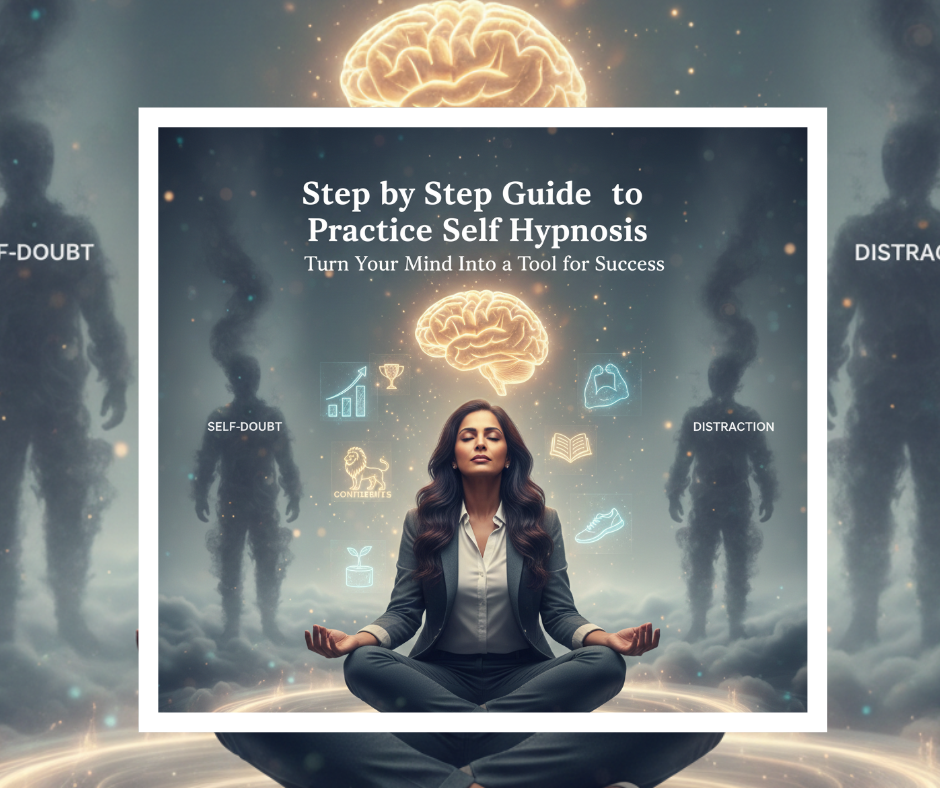
Self hypnosis is often misunderstood because it is explained in a complicated way. In truth it is a natural mental skill that helps you relax focus and guide your thoughts with intention. When you follow a step by step guide to practice self hypnosis you are not giving up control. Instead you are learning how to work with your own mind in a calm and safe way. This is why self hypnosis practice has become a powerful tool for daily self improvement and mental clarity.
1.1 What Self Hypnosis Really Means in Simple Words
In simple terms self hypnosis means entering a relaxed focused state on purpose. Your body slows down while your mind stays alert and aware. This feels similar to being deeply absorbed in a task or lost in thought. Because of this natural state learning how to practice self hypnosis becomes easier than expected. A self hypnosis step by step guide helps you reach this state without confusion or pressure.
1.2 Why the Mind Responds Well to a Step by Step Guide to Practice Self Hypnosis
The mind feels comfortable with clear direction. When steps are simple and logical the brain relaxes instead of resisting. That is why a simple step by step guide to practice self hypnosis works so well for beginners. Each step gently prepares the subconscious mind for relaxation and focus. As a result self hypnosis techniques feel smooth and natural rather than forced.
1.3 What Readers Will Gain From This Self Hypnosis Step by Step Guide
This guide is built to deliver clarity and confidence. You will learn how to relax the mind without effort and focus attention without strain. Over time practicing self hypnosis at home becomes a habit you can rely on. Because this self hypnosis practice guide is structured it supports stress relief focus and emotional balance. Most importantly it shows how to use self hypnosis naturally in everyday life.
What Is Self Hypnosis and How It Works
Self hypnosis works by calming the conscious mind and engaging the subconscious mind. When thoughts slow down awareness increases. In this state the mind becomes more open to positive change. Following a guide to practice self hypnosis makes this process gentle and effective without forcing results.
2.1 Understanding Self Hypnosis Without Confusion
Self hypnosis is a relaxed yet focused mental condition. You stay aware of your surroundings while attention turns inward. This balance allows self hypnosis techniques to influence habits thoughts and feelings. Therefore a self hypnosis step by step guide helps beginners understand the process clearly and comfortably.
Benefits of Following a Step by Step Guide to Practice Self Hypnosis
Some believe self hypnosis only works for deep meditation lovers or people with special mental skills. That idea creates unnecessary doubt. In reality the benefits come from structure not talent. A step by step guide to practice self hypnosis works because it aligns with how the mind learns best. When the process feels clear the results feel natural and lasting.
3.1 How Self Hypnosis Helps Relaxation and Calm Thinking
First of all self hypnosis slows down mental noise. When you practice simple self hypnosis techniques the body relaxes and the mind feels lighter. As breathing becomes steady thoughts stop racing. This relaxed state allows calm thinking to take over. Because the process is gentle it feels safe even for beginners. Over time this self hypnosis relaxation response becomes easier to access in daily life.
3.2 Using Self Hypnosis for Focus Mental Clarity and Awareness
In addition to relaxation self hypnosis improves focus. When distractions fade attention becomes sharper. A self hypnosis step by step guide trains the mind to stay present without force. As a result mental clarity improves and awareness increases. This makes self hypnosis useful for studying work creativity and decision making. With regular self hypnosis practice guide sessions the mind learns to focus faster and stay centered longer.
3.3 Step by Step Guide to Practice Self Hypnosis for Stress Relief
Stress often builds because the mind stays alert even when the body is tired. A step by step guide to practice self hypnosis for stress relief helps break this pattern. By calming the subconscious mind stress signals reduce naturally. Instead of suppressing stress self hypnosis releases it gently. Practicing self hypnosis at home in this way supports emotional balance and inner calm.
3.4 Long Term Self Improvement Through a Consistent Self Hypnosis Practice Guide
Consistency is where real change happens. When you follow a self hypnosis practice guide regularly the mind starts responding faster. Habits thoughts and emotional reactions slowly improve. This long term effect supports self improvement confidence and personal growth. Because the process feels natural it becomes easier to maintain without pressure.
Who Can Use This Self Hypnosis Step by Step Guide
Self hypnosis is often seen as complex or advanced. However this guide is designed to be simple and practical. It focuses on everyday people who want real mental benefits without confusion. A guide to practice self hypnosis works for anyone willing to follow clear steps.
4.1 How to Practice Self Hypnosis for Beginners Easily
Beginners benefit the most from structure. This self hypnosis step by step guide removes guesswork and keeps instructions simple. Each step builds comfort and confidence gradually. Because the process feels familiar beginners learn how to practice self hypnosis without fear or doubt. With repetition the mind adapts quickly and progress feels natural.
4.2 Why Busy People Benefit From a Simple Step by Step Guide to Practice Self Hypnosis
Busy schedules demand efficiency. A simple step by step guide to practice self hypnosis fits easily into short breaks or quiet moments. There is no need for long sessions or complex rituals. Because self hypnosis techniques work quickly busy people can relax focus and reset the mind in less time.
4.3 Practicing Self Hypnosis at Home Without Experience or Tools
One major advantage of self hypnosis is accessibility. Practicing self hypnosis at home requires no tools no apps and no prior experience. A calm space and clear guidance are enough. This makes a self hypnosis step by step guide ideal for daily use. With practice the mind learns to enter relaxation and focus on demand.

Preparing Yourself for Self Hypnosis Practice
Some people think self hypnosis requires special equipment a quiet retreat or expensive tools. That is not true at all. In reality, preparing for self hypnosis is simple and can be done at home with almost no setup. What matters most is creating the right environment and mindset so your mind can follow the step by step guide to practice self hypnosis naturally and comfortably.
5.1 Choosing the Right Time and Space at Home
Pick a time when you are least likely to be interrupted. Early mornings or evenings often work best because the mind is naturally calmer. Choose a quiet corner of your home, sit or lie comfortably, and make sure lighting is soft. Using a consistent time and place helps your brain associate the environment with self hypnosis practice, making it easier to relax and focus each session.
5.2 Creating a Calm Mindset Before Starting
Before diving into self hypnosis, take a moment to settle your thoughts. You can do a few deep breaths or visualize a peaceful scene. Avoid rushing into practice after stress or busy work. A calm mindset makes self hypnosis techniques more effective, allowing your subconscious mind to respond positively.
5.3 Step by Step Guide to Practice Self Hypnosis at Home Comfortably
Practicing at home means you can control every detail. Sit in a comfortable chair or lie on a mat. Keep your posture relaxed but not slouched. Close your eyes and start with slow, steady breathing. A self hypnosis step by step guide ensures you move gradually through relaxation, focus, and positive suggestion stages without confusion. Over time this at-home practice becomes effortless and deeply calming.
5.4 Step by Step Guide to Practice Self Hypnosis Without Tools
You don’t need special apps, music, or devices. The key is following the structured steps in the guide. Your voice, breathing, and imagination are enough to enter a relaxed state. By practicing self hypnosis at home without tools, you build independence and confidence in your ability to guide your mind anytime.
Step by Step Guide to Practice Self Hypnosis Safely
Some believe self hypnosis can be risky if you try it alone. This is a misconception. Self hypnosis is completely safe when done correctly, and following a step by step guide ensures you avoid mistakes while maximizing benefits.
6.1 Relaxing the Body Using Breathing and Awareness
Begin by noticing your body and releasing tension. Use slow deep breaths to calm muscles and heart rate. Awareness of your body helps your mind follow naturally into relaxation. This simple self hypnosis technique sets the foundation for a smooth session.
6.2 Calming the Mind with Basic Self Hypnosis Techniques
After the body relaxes, focus on calming the mind. You can visualize a quiet place or count your breaths. Self hypnosis exercises like this reduce mental chatter and prepare you for deeper focus. The goal is gentle mental calm, not forcing concentration.
6.3 Gently Focusing Attention and Reducing Distractions
Shift attention inward slowly. Notice thoughts but don’t fight them. Use light focus on breathing, sensations, or visualization. This step trains the mind to stay present and improves clarity. It also strengthens the effectiveness of self hypnosis for beginners and regular practitioners.
6.4 Entering a Relaxed Hypnotic State Naturally
Once body and mind are calm, you naturally enter a light hypnotic state. You remain aware but deeply relaxed. This state is where self hypnosis techniques work best. A step by step guide ensures you move into this state safely and comfortably.
6.5 Using Self Hypnosis Affirmations and Suggestions
Now you can introduce positive suggestions or affirmations. Phrases like “I am calm and focused” or “I handle challenges with ease” help shape thoughts and behaviors. Self hypnosis scripts or mental repetition make these affirmations stick.
6.6 Connecting with the Subconscious Mind Clearly
In this relaxed state, the subconscious is receptive. Focus gently on your intentions, visualizations, or changes you want to create. Following a structured guide allows deep connection without feeling overwhelmed or confused.
6.7 Returning to Full Awareness Safely and Smoothly
End the session by slowly bringing awareness back to the body and surroundings. Take a few deep breaths, stretch lightly, and open your eyes. A gradual transition keeps you calm and grounded. Practicing self hypnosis regularly this way reinforces relaxation, focus, and confidence.
Daily Routine for Self Hypnosis Practice
Some believe self hypnosis is a one-time trick that delivers instant results. That is not true. Like any skill, self hypnosis works best with regular practice. A consistent routine trains the mind, reinforces relaxation, and makes focus natural over time. Following a step by step guide to practice self hypnosis helps beginners and experienced users alike stay on track and see real benefits.
7.1 How Often Beginners Should Practice Self Hypnosis
For beginners, short daily sessions work better than long sporadic ones. Even 10 to 15 minutes a day can create noticeable results. Practicing daily helps your mind adapt to self hypnosis more quickly and builds confidence. As your comfort increases, sessions can gradually extend without strain.
7.2 Daily Routine Step by Step Guide to Practice Self Hypnosis
Start by choosing a consistent time and quiet place at home. Begin with a few deep breaths and gentle body relaxation. Follow the steps in your self hypnosis practice guide: calm the mind, focus attention, enter a light hypnotic state, and apply positive affirmations. Ending the session gradually ensures you return to full awareness smoothly. Repeating this routine daily trains both mind and body to respond faster over time.
7.3 Step by Step Guide to Practice Self Hypnosis Naturally
The key is to let self hypnosis flow naturally. Avoid forcing focus or trying too hard to relax. Simply follow the guide, focus gently on your breathing or visualization, and allow your subconscious to respond. Over time, practicing self hypnosis naturally becomes second nature, and you can use it anytime to calm, focus, or reset your mind.
7.4 Staying Consistent Without Pressure or Force
Consistency matters more than duration. Trying to push yourself too hard can create stress and reduce results. Keep sessions short and simple, and make practice a positive experience. Using a guide to practice self hypnosis removes guesswork and helps maintain consistency with ease.
Common Mistakes Beginners Make and How to Avoid Them
A lot of beginners think self hypnosis is hard to master or that it won’t work for them. That mindset often creates frustration. Most common mistakes are easy to avoid if you follow a proper self hypnosis step by step guide.
8.1 Overthinking the Self Hypnosis Process
Overthinking can block relaxation. Beginners sometimes focus too much on “doing it right” rather than letting the mind settle naturally. Following a simple self hypnosis practice guide helps keep attention on gentle steps instead of mental pressure.
8.2 Expecting Instant Results
Change takes time. Expecting instant results often leads to disappointment. Practicing regularly with a step by step guide trains the subconscious mind gradually, making results real and lasting. Patience is key.
8.3 Losing Focus During Self Hypnosis Sessions
Distractions happen. It’s normal to lose focus occasionally. The solution is to notice wandering thoughts and gently return to your breathing, visualization, or affirmations. Consistent practice builds attention and focus over time.
8.4 How a Practicing Self Hypnosis Guide Prevents These Issues
Using a structured guide removes uncertainty. Beginners know exactly what step to follow next, which reduces overthinking, frustration, and wandering attention. A self hypnosis step by step guide creates a smooth, stress-free path to relaxation, focus, and mental clarity.

Using Self Hypnosis for Specific Goals
Some people assume self hypnosis only works for general relaxation and has no impact on specific issues like stress, focus, or confidence. That is not true. When practiced correctly using a step by step guide to practice self hypnosis, the technique can target almost any mental or emotional goal. The secret is applying focused suggestions and structured routines that guide the subconscious mind effectively.
9.1 Step by Step Guide to Practice Self Hypnosis for Relaxation
To achieve deep relaxation, start by finding a quiet space and settling your body. Focus on slow, steady breathing and imagine tension leaving your body. Use calming phrases like “I am relaxed and at peace” during the session. Practicing self hypnosis for relaxation regularly helps the mind and body respond faster, creating a natural sense of calm.
9.2 Step by Step Guide to Practice Self Hypnosis for Stress Relief
Stress often builds when the mind is overstimulated. To relieve stress, follow a step by step guide to practice self hypnosis that emphasizes mental release. Visualize worries melting away or imagine a peaceful place while breathing slowly. Over time, these self hypnosis stress relief sessions train the subconscious to handle pressure more calmly.
9.3 Step by Step Guide to Practice Self Hypnosis for Focus
Improving focus requires gentle attention training. Begin your self hypnosis session by relaxing the body, then guide your mind toward a single thought, task, or visualization. Using this step by step guide to practice self hypnosis for focus helps increase concentration naturally. Repeated sessions strengthen attention span and reduce distractions during daily activities.
9.4 Self Hypnosis Practice Guide for Confidence and Habits
Self hypnosis is also great for building confidence and shaping positive habits. Begin by entering a calm state, then repeat affirmations such as “I am confident” or “I make positive choices easily.” Following a structured self hypnosis practice guide for confidence helps the subconscious adopt these beliefs, reinforcing them over time for long-lasting impact.
9.5 Improving Sleep Using Simple Self Hypnosis Methods
Trouble sleeping often comes from an active mind. Using self hypnosis for better sleep involves calming thoughts, focusing on breathing, and visualizing rest. A step by step guide to practice self hypnosis before bedtime can signal the mind and body that it’s time to rest, improving sleep quality naturally.
How Long It Takes to See Results With Self Hypnosis
Many assume self hypnosis works instantly. That expectation often leads to frustration. In truth, results appear gradually, and consistent practice is what makes changes stick. Understanding this timeline helps set realistic expectations.
10.1 What Progress Looks Like in the Early Stages
Early progress is subtle. You may notice reduced tension, slight improvement in focus, or calmer responses to stress. These small wins are normal and important. Even brief daily sessions contribute to noticeable changes over time.
10.2 How Repetition Strengthens Self Hypnosis Results
Consistency is the key to deeper change. Repeating sessions trains the subconscious mind to respond more quickly to self hypnosis techniques. Over time, relaxation, focus, and positive habits become easier and more automatic, reinforcing the benefits naturally.
10.3 Why Patience Improves Self Hypnosis Practice Outcomes
Patience allows the mind to integrate suggestions fully. Rushing the process or expecting instant transformations can block progress. Following a structured step by step guide and practicing regularly ensures that self hypnosis works gradually and effectively, creating lasting improvements in relaxation, focus, confidence, and overall well-being.
Frequently Asked Questions About Self Hypnosis Practice
Some people think self hypnosis is risky for beginners or that only certain people can do it safely. That is not true. Self hypnosis is natural, safe, and accessible to almost anyone when practiced correctly. Following a step by step guide to practice self hypnosis ensures safety and clarity, making it simple for beginners to benefit fully.
11.1 Is Self Hypnosis Safe for Beginners
Yes, self hypnosis is completely safe for beginners. You remain fully aware and in control throughout the session. The process only guides your mind into a calm and focused state. Using simple self hypnosis techniques from a structured guide prevents mistakes and helps beginners feel comfortable and confident.
11.2 Can Anyone Follow a Self Hypnosis Step by Step Guide
Absolutely. Anyone willing to focus for a few minutes can follow a self hypnosis step by step guide. It doesn’t require prior experience, special tools, or deep knowledge of meditation. Beginners, busy professionals, and even students can practice self hypnosis at home with ease.
11.3 How to Know if Self Hypnosis is Working
Signs that self hypnosis is effective include feeling calmer, more focused, or noticing small shifts in thought patterns and emotional responses. You may also feel physical relaxation, like slower breathing or looser muscles. Consistency helps results become clearer over time, especially when using a structured self hypnosis practice guide.
11.4 Clearing Common Fears About Mind Control
A lot of beginners worry that self hypnosis involves losing control of their mind. That is a common misconception. In reality, you remain fully conscious and choose what thoughts or affirmations to focus on. Self hypnosis is simply a tool to help your subconscious mind respond to positive suggestions safely.
Final Thoughts and Encouragement to Start Today
Many assume self hypnosis is complicated and takes too long to learn. That belief often stops people from starting. The truth is, using a step by step guide to practice self hypnosis makes it simple, safe, and highly effective.
12.1 Why This Step by Step Guide to Practice Self Hypnosis Works
This guide works because it is structured around the way the mind naturally learns. Clear steps gradually guide relaxation, focus, and subconscious awareness. By following this process consistently, beginners and experienced users alike can access the benefits of self hypnosis without confusion.
12.2 How to Begin With Confidence and Ease
Start small and simple. Pick a quiet space, follow the steps, and focus on breathing and positive affirmations. Trust the process and avoid overthinking. Each session builds confidence, making it easier to practice self hypnosis naturally.
12.3 Making Self Hypnosis a Part of Daily Self Care
Incorporate self hypnosis into your daily routine like any other self care habit. Even short daily sessions can improve relaxation, focus, stress relief, and confidence. Over time, this practice becomes a reliable tool to reset your mind, manage emotions, and strengthen personal growth naturally.
If you have any questions or want personalized guidance on practicing self hypnosis, feel free to Reach Out to us today—we’re here to help you start your journey to calm, focus, and personal growth.