
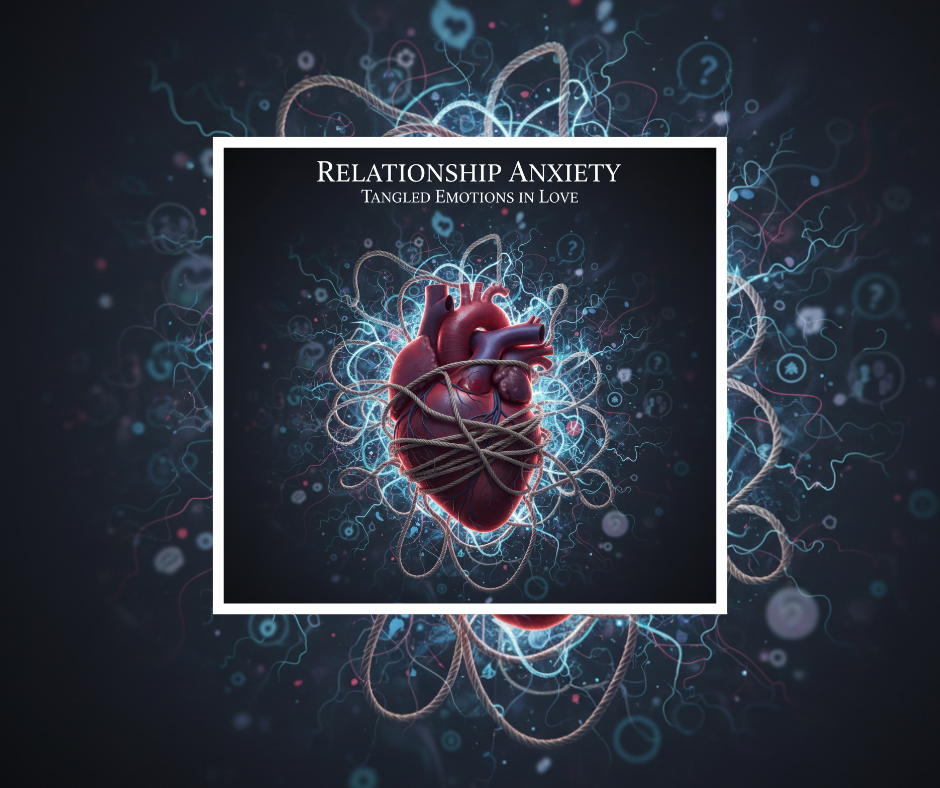
Introduction to relationship anxiety
The biggest misunderstanding about relationship anxiety
A common belief says relationship anxiety only exists in unhealthy or failing relationships. That belief is misleading. Anxiety in relationships often appears even when love is genuine and the bond feels meaningful. The issue is rarely the relationship itself. More often the tension grows from inner fear patterns and emotional habits.
Why constant worry in love feels overwhelming
Caring deeply about someone does not guarantee peace. In fact love can make emotions louder. A short pause in communication can trigger stress. A simple message can be overanalyzed. This constant worry creates pressure in the mind and body. Over time love anxiety starts to feel exhausting instead of comforting.
A simple way to understand relationship anxiety
Relationship anxiety is a mental and emotional state where fear takes control of thoughts in romantic situations. It often includes anxiety in relationships fear of losing a partner and constant self doubt. This is not a personality flaw. It is a learned response shaped by attachment anxiety past experiences and emotional insecurity in love.
Why anxiety in relationships feels so intense
Romantic connections activate deep emotional systems. When attachment feels threatened the nervous system reacts quickly. Thoughts race emotions spike and logic steps back. This explains why relationship anxiety feels intense and hard to control. Fear of abandonment in relationships mixes with overthinking and creates emotional panic.
How this guide supports emotional safety
This blog is here to help you understand relationship anxiety without blame or pressure. You will learn ways to calm relationship anxiety naturally and build emotional safety from within. With awareness and simple mindset shifts the emotional noise begins to settle and clarity slowly returns.
What relationship anxiety really feels like
Love-related worry symptoms people often ignore
Some Love-related worry symptoms feel normal at first. Constant checking of messages replaying conversations and worrying about tone often get labeled as caring too much. In reality these are signs of emotional insecurity and anxious attachment trying to avoid rejection.
How overthinking in relationships takes over
Overthinking in relationships usually starts with small triggers. A delayed reply or a change in routine can spark mental loops. Thoughts repeat because the mind searches for certainty. This pattern keeps Love-related worry active even when reassurance is given.
Relationship overthinking during silence
Silence feels threatening when anxiety is present. The mind fills gaps with fear based stories. This is common in Love-related worry and overthinking especially for those with an anxious attachment style.
Constant worry about partner reactions
Every response can feel loaded with meaning. You may analyze words tone and expressions nonstop. This constant worry about partner reactions creates emotional tension and relationship mental stress. It pulls attention away from the present moment.
Fear of abandonment and emotional panic
Fear of abandonment in relationships often sits at the core of anxiety. Small disagreements can feel like major threats. Emotional panic rises fast even when no real danger exists. This reaction is usually linked to old emotional memories not current reality.
Emotional insecurity and reassurance seeking
Emotional insecurity in love often leads to reassurance seeking. Asking for confirmation feels comforting at first but the relief fades quickly. This cycle increases emotional dependency and romantic insecurity instead of healing Love-related worry.
Why relationship anxiety happens
A common myth about the cause of relationship anxiety
Many believe relationship anxiety appears only because of something a partner does wrong. That belief misses the real picture. Anxiety in relationships usually starts long before the current connection. It grows from inner emotional patterns not from one specific moment or mistake.
Attachment anxiety explained in simple words
Attachment anxiety develops when emotional safety felt uncertain earlier in life. An anxious attachment style makes the mind stay alert in love. It constantly checks for signs of distance or rejection. This pattern does not mean you are needy. It means your nervous system learned to protect connection at all costs.
How anxious attachment shows up in love
People with attachment anxiety often feel close and scared at the same time. Love feels deep yet unstable. This creates romantic anxiety and emotional insecurity even in caring relationships.
Past emotional wounds shape fear of rejection
Past experiences leave emotional imprints. Rejection abandonment or emotional neglect teach the mind to expect loss. When a new relationship forms those old memories wake up. Fear of rejection in love then shows up as overthinking reassurance seeking and emotional tension.
Trust issues and emotional memory loops
Trust issues in relationships often come from emotional memory not logic. Even when a partner is consistent the mind recalls past pain. These emotional memories influence reactions more than present facts. As a result relationship anxiety feels real even without evidence.
Daily anxiety triggers in relationships
Relationship anxiety triggers are often small and ordinary. Delayed messages changes in tone busy schedules or silence can activate worry. These daily situations feel threatening when the mind links them to loss. This is why anxiety in relationships can feel constant.
Relationship anxiety causes inside the mind
At its core relationship anxiety comes from fear based thinking. The mind tries to control uncertainty by predicting outcomes. This creates emotional pressure mental stress and constant alertness. Understanding this helps reduce self blame and opens space for healing.
Relationship anxiety vs real relationship problems
Another misunderstanding about anxiety in relationships
Many assume anxiety always signals a real problem in the relationship. That assumption creates confusion. Relationship anxiety often creates false alarms that feel urgent but are not accurate reflections of reality.
How anxiety creates false danger signals
Anxiety in relationships exaggerates risk. A small issue feels like a major threat. The body reacts as if something is wrong even when nothing has changed. These false alarms keep emotional stress active and block clarity.
Relationship doubts driven by fear not facts
Relationship doubts caused by anxiety feel convincing. Thoughts sound logical but are driven by fear. Questions about love commitment or interest repeat because the mind wants certainty. This doubt does not mean the relationship lacks value.
Overanalyzing partner behavior
Overanalyzing partner behavior is common in relationship anxiety and overthinking patterns. Every action gets interpreted through fear. Neutral behavior can feel cold. Busy days feel like rejection. This misreading of signals fuels emotional insecurity.
Why misinterpretation keeps anxiety alive
When signals are misread reassurance never fully settles the mind. Anxiety searches for new proof which keeps the loop going.
Intuition versus relationship anxiety
Intuition feels calm and clear. Relationship anxiety feels urgent loud and repetitive. Learning this difference matters. Anxiety pushes for immediate answers. Intuition allows space and patience. Recognizing this helps reduce emotional confusion.
When stress is emotional not situational
Sometimes relationship stress is not about real events. It is emotional stress created by inner fear patterns. When stress continues despite healthy communication it often points to relationship anxiety rather than relationship problems.

Signs you are dealing with Love-related worry
A wrong assumption about anxiety in love
A common belief says if you feel anxious in love it means the relationship is unhealthy. That is not always true. Relationship often shows up even when care trust and effort are present. The signs are emotional patterns not proof that love is failing.
Clear signs of Love-related worry in love
One strong sign of Love-related worry in love is constant mental noise. You may feel uneasy even during good moments. Happiness feels temporary. The mind stays alert waiting for something to go wrong. This pattern points to anxiety in relationships rather than real danger.
Constant reassurance seeking in relationships
Reassurance seeking feels like asking for safety. You may want repeated confirmation that everything is okay. While reassurance helps briefly the calm fades fast. This cycle strengthens emotional dependency and keeps relationship anxiety active instead of easing it.
Why reassurance never feels enough
The mind looks for certainty. When certainty is impossible anxiety keeps asking. This creates a loop that increases romantic insecurity.
Jealousy and anxiety without clear reasons
Jealousy linked to relationship anxiety often appears without real threats. The feeling rises suddenly. Logic says nothing is wrong but emotions feel intense. This jealousy comes from fear of loss not from actual betrayal.
Feeling unsafe even when love is present
Feeling unsafe in relationships is a quiet sign of anxiety. Love may feel genuine yet the body stays tense. Relaxation feels hard. This emotional state usually connects to anxious attachment and fear of abandonment in relationships.
Emotional dependency and romantic insecurity
Emotional dependency grows when inner safety feels missing. Your mood may depend on partner reactions. Romantic insecurity increases when self trust is low. These patterns signal relationship anxiety rather than lack of love.
How relationship anxiety affects healthy relationships
A misunderstood impact of relationship anxiety
Many think relationship anxiety only harms unstable connections. In reality relationship anxiety in healthy relationships can still cause stress. Even strong bonds feel pressure when anxiety goes unaddressed.
Emotional tension and communication breakdown
Anxiety creates emotional tension. Small issues feel heavy. Conversations turn sensitive. Communication breakdown happens when fear speaks louder than clarity. This makes simple discussions feel exhausting.
How love anxiety drains emotional closeness
Love anxiety pulls focus away from connection. Instead of being present you monitor reactions. Emotional closeness fades because the mind stays busy protecting against imagined loss.
Impact on trust balance and inner peace
Relationship anxiety slowly weakens trust. Not because partners are untrustworthy but because fear distorts perception. Emotional balance feels shaky. Inner peace becomes rare even during calm moments.
Relationship mental stress on both partners
Relationship mental stress does not affect one person only. Partners feel pressure confusion and distance. Anxiety creates cycles of reassurance tension and withdrawal. Over time this drains energy on both sides.
How to calm relationship anxiety naturally
A false idea about calming relationship anxiety
Many believe relationship anxiety can only fade with constant reassurance from a partner. That belief keeps people stuck. Real relief does not come from outside validation. It comes from awareness and inner emotional regulation.
Using awareness to calm relationship anxiety
Awareness is the first real shift. Notice what happens before anxiety rises. Pay attention to thoughts body tension and emotional reactions. When you observe anxiety without fighting it the intensity drops. This simple awareness helps calm relationship anxiety naturally and brings clarity back into the moment.
Gently stopping reassurance seeking in relationships
Reassurance seeking is often automatic. Instead of stopping it forcefully pause before asking. Take a breath. Ask yourself what you actually need in that moment. Comfort safety or certainty. Meeting that need internally weakens the urge over time. This is how to stop reassurance seeking in relationships without pressure.
Mind based techniques for relationship anxiety
Mind based techniques work because anxiety starts in thought patterns. Redirect attention to the present moment. Focus on breathing physical sensations or grounding statements. These techniques interrupt fear loops and reduce anxiety in relationships without avoidance.
Simple grounding during emotional spikes
When emotions rise name what you see hear or feel. This brings the mind out of fear and back into safety.
Shifting focus from fear to emotional safety
Fear always looks ahead. Emotional safety lives in the present. Shift attention from what might happen to what is happening now. This mindset change reduces love anxiety and creates space for calm responses.
Daily practices to calm anxiety in relationships
Consistency matters more than intensity. Small daily practices like journaling breath awareness and self check ins build emotional stability. Over time these habits lower relationship anxiety and improve emotional balance.
How to overcome relationship anxiety long term
A common mistake about long term healing
Many think relationship anxiety healing happens quickly once tools are learned. Healing is gradual. Long term change comes from repetition patience and self trust not instant fixes.
Step by step approach to overcoming relationship anxiety
Learning how to overcome relationship anxiety naturally starts with small steps. Notice patterns. Respond instead of reacting. Allow emotions without judging them. Each step builds emotional strength and confidence.
Coping strategies that feel realistic
Coping strategies for relationship anxiety work best when they fit real life. Simple grounding honest communication and self reassurance are more effective than complex routines. Realistic strategies support consistency.
Rebuilding trust within yourself
Self trust is the foundation of emotional security. When you trust your ability to handle discomfort anxiety loses power. This inner trust reduces emotional dependency and romantic insecurity.
Creating emotional security without control
Control increases anxiety. Emotional security grows from acceptance. Let feelings rise without trying to manage outcomes. This approach builds safety within and reduces fear driven behavior.
Healing relationship anxiety through consistency
Consistency creates lasting change. Daily awareness calm responses and self compassion slowly rewire fear patterns. Relationship anxiety healing happens when these practices become natural parts of your life.

Relationship anxiety and attachment style connection
A misleading belief about attachment and anxiety
A common belief says relationship anxiety disappears once you find the right partner. That idea sounds comforting but it is not accurate. Relationship anxiety often follows the attachment style you carry into love. The pattern stays even when the relationship feels caring and stable.
Relationship anxiety and attachment style explained simply
Attachment style is how your mind and emotions respond to closeness. Relationship anxiety and attachment style are deeply connected because attachment shapes how safe love feels. When attachment feels shaky anxiety in relationships rises fast even without real threats.
Anxious attachment patterns in romantic anxiety
Anxious attachment patterns show up as constant alertness in love. You may crave closeness but fear losing it at the same time. Romantic anxiety grows when attention shifts outward instead of inward. This creates emotional insecurity and constant worry about partner behavior.
Why closeness can feel unsafe
Love activates old emotional learning. When closeness once felt unpredictable the mind stays on guard even in healthy bonds.
Emotional closeness fear and avoidance cycles
Fear of emotional closeness can create push and pull cycles. You may want reassurance yet feel overwhelmed by intimacy. This cycle keeps relationship anxiety active and drains emotional energy. Awareness helps break this loop.
How awareness reduces attachment anxiety
Awareness softens attachment anxiety. When you notice reactions instead of acting on them the nervous system calms. Awareness creates space between emotion and response. Over time this reduces anxiety in relationships and builds emotional balance.
Building secure emotional responses over time
Secure responses develop gradually. Each calm reaction strengthens inner safety. You learn to tolerate uncertainty without panic. This steady practice builds emotional security and reduces love anxiety naturally.
When relationship anxiety shows up as overthinking
A common misunderstanding about overthinking
Many believe overthinking means something is wrong in the relationship. In reality relationship anxiety and overthinking are closely linked. Overthinking is the mind trying to protect connection by predicting outcomes.
Relationship anxiety and overthinking loops
Overthinking loops begin with a small trigger. A message delay a change in tone or silence starts mental repetition. Thoughts circle without resolution. These loops feed emotional panic and increase relationship mental stress.
Relationship overthinking at night and during silence
Nighttime and silence amplify anxiety. Without distractions the mind fills gaps with fear stories. Relationship overthinking during silence feels intense because the nervous system stays alert without evidence.
How thoughts create emotional panic
Thoughts feel real when repeated. The body reacts as if danger exists. Emotional panic rises even though nothing is happening. This shows how relationship anxiety is created inside the mind not the moment.
Breaking mental stories with clarity
Clarity interrupts fear. Ask what facts are present right now. Notice assumptions instead of believing them. This simple shift weakens anxiety in relationships and restores calm.
Replacing fear thoughts with grounded thinking
Grounded thinking focuses on the present. Replace what if thoughts with what is happening now. This practice reduces overthinking in relationships and builds emotional safety over time.
Practical mindset shifts for relationship anxiety relief
A false belief about fixing relationship anxiety
A popular belief says relationship anxiety only improves when your partner changes their behavior. That belief keeps anxiety stuck. Real relief starts when your mindset shifts. Anxiety in relationships softens when you change how you respond inside not when you control outside situations.
Relationship anxiety mindset shifts that actually work
One powerful shift is moving from control to understanding. Instead of asking why is this happening ask what is this feeling trying to show me. This change reduces emotional resistance. Relationship anxiety loses intensity when you stop fighting it and start listening calmly.
Learning emotional self regulation in love
Emotional self regulation means allowing feelings without reacting instantly. Pause before responding. Breathe before speaking. This practice helps calm relationship anxiety naturally. Over time your nervous system learns safety even when emotions rise.
Why regulation feels uncomfortable at first
At first it feels unfamiliar to sit with emotions. That discomfort fades as trust in yourself grows.
Creating emotional safety without depending on your partner
Emotional safety starts within. When your sense of calm depends only on your partner anxiety grows. Build inner reassurance through self talk grounding and awareness. This reduces emotional dependency and strengthens emotional security.
Trusting the present moment in relationships
Anxiety lives in the future. Peace lives in now. Trusting the present moment means noticing what is real today. When nothing is actually wrong the body can relax. This trust reduces love anxiety and overthinking in relationships.
Relationship anxiety relief through inner calm
Inner calm is not silence of thoughts. It is knowing you can handle them. This mindset shift brings lasting relationship anxiety relief and emotional balance.
Final thoughts on relationship anxiety
A quick reminder before closing
Relationship anxiety does not mean you are broken. It means your mind learned protective habits. These habits can be unlearned with patience awareness and consistency.
Key insights to remember
Anxiety comes from fear not facts. It connects to attachment anxiety emotional insecurity and overthinking patterns. Awareness and self regulation reduce its power. Inner safety matters more than external reassurance.
Anxiety does not define love
Feeling anxious does not cancel love or connection. Many people experience anxiety in relationships and still build deep bonds. Anxiety is a signal not a verdict.
Start small and stay patient
Change happens in small moments. One pause one breath one calmer response at a time. Stay patient with yourself. Emotional healing is not rushed.
A hopeful closing for emotional balance
With awareness and consistent practice emotional balance becomes possible. Relationship anxiety can soften. Calm can return. Trust can grow from within.
For more tips and guidance on mastering your mind and calming relationship anxiety, visit MindPowerArtists and contact us anytime—we’re here to help you grow and find your inner calm.