
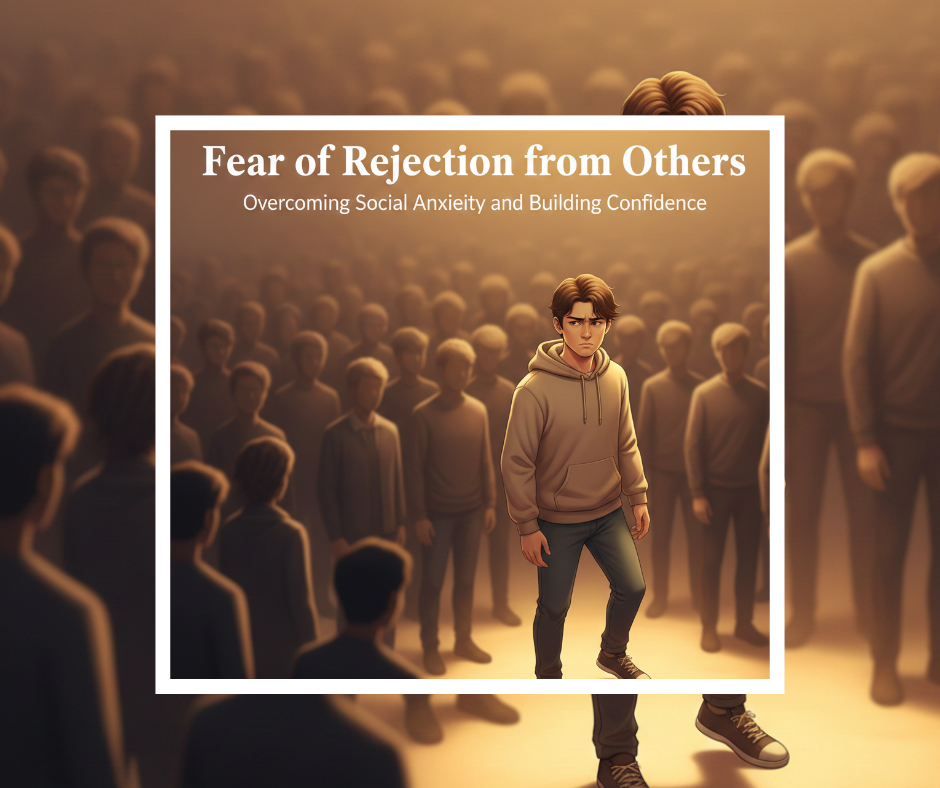
Introduction
Fear of Rejection Isn’t Just in Your Head
A lot of people think that fear of rejection from others is just a sign of weakness or overthinking. The truth is, it’s a normal human response, and almost everyone experiences it at some point. The difference is in how we deal with it. Avoiding social situations, hiding your opinions, or over analyzing every reaction can make this fear feel overwhelming, but there are practical ways to overcome it.
Why Fear of Rejection Holds You Back
Fear of rejection from others doesn’t just affect your social life. It sneaks into your professional world too. You might avoid asking for a promotion, hesitate to share creative ideas, or stay quiet in meetings because you’re scared of being judged. Even emotionally, it can stop you from connecting deeply with friends, family, or a partner. Social anxiety, fear of being judged, and fear of disapproval all feed this fear and make it seem like the world is out to get you.
What This Blog Will Help You Achieve
The goal here is simple: show you actionable steps to overcome fear of rejection from others. You’ll find practical techniques that boost confidence, reduce anxiety, and help you handle rejection without letting it define you. Along the way, we’ll explore how to stop worrying about others’ opinions, build self-worth, and handle social situations with ease. If you’ve ever wondered how to overcome fear of rejection from others or searched for ways to stop fearing rejection in social situations, this guide is for you.
Understanding Fear of Rejection
What Does Fear of Rejection Really Mean?
Fear of rejection is more than feeling nervous before a social interaction. It’s a deep worry that people won’t accept or value you. This fear can be triggered by past experiences, like childhood criticism, a breakup, or being excluded in social settings. When it’s strong, it affects your choices, making you avoid opportunities or hold back your true self.
Common Causes of Fear of Rejection
Several factors contribute to fear of rejection from others. Social anxiety is one of the biggest triggers, making ordinary interactions feel intimidating. Low self-esteem adds to the pressure, convincing you that others’ opinions define your value. Past experiences, especially repeated criticism or neglect, can also leave lasting impressions. Over time, this creates a cycle where fear reinforces itself, keeping you from taking risks or speaking up.
How Fear Impacts Your Life
This fear can quietly influence your relationships, career, and overall mental well-being. You may struggle to make friends or express your feelings, miss career opportunities, or constantly second-guess yourself. People often feel isolated or misunderstood because fear of being rejected keeps them from opening up. Even small moments, like sharing an idea in a meeting or approaching someone new, can feel overwhelming. Handling this fear is not just about courage—it’s about building tools and habits that help you feel safe expressing yourself.
Signs You Are Struggling with Fear of Rejection
It’s Not Just Shyness or Weakness
Many assume that fear of rejection from others is simply shyness or overthinking. The truth is, it’s more than that. This fear can quietly affect your decisions, emotions, and behavior without you even noticing. Recognizing the signs early is the first step toward overcoming it.
Emotional Signs to Watch For
Emotions often give the clearest clues. If you feel constant anxiety before social interactions, second-guess every word, or suffer from self-doubt, your fear of rejection is likely influencing you. Overthinking what others might say or how they might react can drain energy and make social situations feel overwhelming. These feelings are closely linked to rejection anxiety, fear of embarrassment, and are common triggers for self doubt solutions.
Behavioral Signs That Reveal Fear
Beyond emotions, your actions tell a lot. Avoiding new opportunities, hesitating to speak up, or going out of your way to please everyone are strong indicators. You might decline invitations, hold back ideas at work, or stay quiet even when you have something valuable to say. These behaviors reinforce the fear, creating a cycle that keeps you stuck.
Psychological Impact
The mental toll of fear of rejection can be serious. Low self-worth, depressive thoughts, and an exaggerated fear of failure often accompany it. People struggling with this fear may constantly compare themselves to others or assume they are not good enough. Left unchecked, it can limit personal growth, reduce happiness, and affect both social and professional life. Recognizing these signs is the first step toward change, and following practical tips to overcome social rejection or steps to build confidence after rejection can help break this cycle.
Practical Techniques to Overcome Fear of Rejection
Mindset Shift
Focus on Self-Worth and Internal Validation
Building confidence starts in the mind. Instead of relying on approval from others, focus on your own self-worth. Learn to validate yourself and recognize your strengths. Internal validation reduces fear of being judged and prepares you for situations where rejection might happen.
Use Affirmations and Positive Self-Talk
Repeating positive statements about yourself can reshape how you see your worth. Simple affirmations like “I am enough” or “My value does not depend on others’ opinions” can gradually shift your mindset. This is a core part of self empowerment techniques and boosting self image.
Exposure and Gradual Practice
Start with Small Social Challenges
You don’t need to jump into the most stressful situations immediately. Begin with smaller interactions, like speaking up in a small group or expressing an opinion to a friend. Each small win strengthens your confidence.
Gradually Face Trigger Situations
Over time, increase the difficulty of social challenges. Facing situations that trigger fear in a controlled way helps reduce anxiety. This approach is linked to handling social fear and is a proven form of courage building exercises.
Building Confidence
Personal Growth Exercises and Self Belief
Engage in practices that reinforce your abilities, like setting achievable goals, learning new skills, or journaling successes. These techniques build self-belief and resilience against rejection.
Physical Presence Tips
Non-verbal cues matter. Maintaining good posture, making eye contact, and speaking clearly improves how others perceive you and enhances your own sense of confidence. Keyword variations like overcoming rejection fear and confidence in social situations are naturally tied to these practices.
Handling Negative Feedback Gracefully
Accept Criticism Without Taking It Personally
Rejection or criticism is not always a reflection of your worth. Learning to separate your self-value from external feedback reduces fear and stress.
Reframe Rejection as Opportunity
Every rejection can be a lesson or chance to grow. Seeing setbacks as opportunities builds resilience and encourages trying again. LSI keywords such as coping with judgment and dealing with criticism fit naturally here.
Social Skills and Emotional Intelligence
Practice Assertiveness
Communicate your thoughts and needs confidently without being aggressive. Assertiveness reduces people-pleasing behaviors and strengthens social interactions.
Develop Empathy and Communication Skills
Understanding others and responding appropriately improves relationships and lessens fear of social disapproval. Long tail keywords like techniques to deal with fear of being judged and strategies to overcome rejection anxiety are connected naturally to these practices.

Real-Life Examples and Stories
Fear of Rejection Doesn’t Mean You’re Weak
Some people assume that struggling with fear of rejection from others makes you weak or incapable. In reality, everyone faces moments of doubt, and the difference lies in how you respond. Seeing real examples of people overcoming fear can be inspiring and show that change is possible.
Workplace Wins
Take Sarah, for instance. She had been avoiding speaking up in team meetings for years because she feared her ideas would be dismissed. By starting small and sharing one thought per meeting, she gradually built confidence. Eventually, her ideas were recognized, and she became a valued contributor. Stories like Sarah’s highlight social courage tips and demonstrate emotional resilience in professional settings.
Dating and Relationships
John struggled with approaching new people because he feared rejection. Instead of avoiding social interactions, he challenged himself to start conversations in low-pressure situations, like at a coffee shop or social events. Over time, he gained confidence and even started dating without constantly worrying about being judged. His journey shows how emotional resilience and small consistent steps can overcome fear in personal life.
Friendships and Social Circles
Maria often felt left out of her friend groups because she avoided initiating plans, fearing she would be rejected. She began sending simple messages inviting friends to hang out or suggesting small group activities. Even when some declined, she learned not every rejection defined her value. This story demonstrates social courage tips and the importance of taking risks to build meaningful relationships.
Daily Habits to Strengthen Your Mind Against Rejection
Journaling to Process Emotions
Writing down your thoughts helps you process feelings of fear or anxiety. Journaling can clarify why certain situations trigger anxiety from social rejection and allow you to track progress over time. Reflecting on small wins reinforces confidence and reduces overthinking in social situations.
Meditation and Mindfulness for Anxiety
Daily meditation or mindfulness practice can calm your mind and help you stay present, even when rejection feels looming. Techniques like focused breathing or guided visualization reduce stress and improve emotional control, making it easier to face social interactions without fear.
Positive Social Interactions Practice
Deliberately engaging in low-stress social interactions strengthens your courage and resilience. Start by greeting colleagues, making small talk, or joining group activities. Gradually, these habits build confidence, improve social skills, and reduce fear of disapproval. These exercises align with long tail keywords like exercises to reduce fear of disapproval and how to gain courage to face social fears.
Handling Rejection at Work
In professional settings, fear can hold you back from asking for promotions, sharing ideas, or networking. Regular practice of positive communication and reframing setbacks as learning opportunities helps you handle rejection confidently. Integrating handling rejection at work strategies into daily routines reinforces resilience.
Building a Routine of Small Wins
Consistency is key. Small daily actions—like complimenting someone, volunteering for a task, or expressing your opinion—create a positive feedback loop. Over time, these habits reduce the intensity of fear, strengthen emotional resilience, and encourage you to face bigger challenges.
Common Mistakes That Keep You Stuck
Fear of Rejection Doesn’t Mean You Have to Avoid Everything
Many people assume that if you struggle with fear of rejection from others, the only solution is to stay quiet or avoid social situations altogether. In reality, avoiding challenges only reinforces the fear and keeps you stuck.
Overthinking Every Social Interaction
One of the biggest mistakes is analyzing every conversation endlessly. Replay scenarios in your head, worry about every possible reaction, and second-guess your words. This overthinking fuels fear of being disliked and increases anxiety in social settings. Instead of thinking too much, focus on the present moment and respond naturally.
Seeking Constant Approval
Another common trap is depending on others’ opinions for self-worth. Seeking approval constantly can make you hesitant to express yourself and overcompensate to please everyone. This behavior strengthens fear of letting others down and stops you from building confidence in your own decisions.
Avoiding Challenges That Trigger Fear
Some try to escape fear by avoiding any situation that might lead to rejection. While this feels safe, it prevents growth. Missing opportunities at work, in friendships, or personal life reinforces your fear and limits social courage. Facing fears gradually, even in small steps, is key to overcoming this cycle.
Recognizing These Mistakes
Being aware of these common patterns is the first step. Overthinking, seeking approval, and avoiding challenges are habits that can be unlearned. Combine this awareness with actionable strategies from earlier sections to steadily reduce fear and build emotional resilience.
Final Tips and Encouragement
Overcoming Fear Takes Time
Many believe that fear of rejection can be eliminated overnight. The truth is, overcoming fear is a gradual process. Small consistent actions are more effective than forcing yourself into high-stress situations immediately. Patience and persistence are essential.
Practice Consistently and Be Kind to Yourself
Celebrate small wins, whether it’s speaking up once in a meeting, sending a message to a friend, or sharing an idea. Self-compassion helps you stay motivated and reduces self-criticism. Gradual improvement builds long-term confidence and reduces the impact of rejection.
Take Action Today
Start small. Face situations that trigger mild fear, track your progress, and acknowledge your courage. Each step forward, no matter how small, strengthens your mindset and decreases anxiety. Implementing these methods to handle fear of criticism effectively and strategies for overcoming fear of others opinions can create lasting change.
Keep Moving Forward
Remember, fear of rejection from others is natural, but it doesn’t have to control your life. By recognizing mistakes, practicing daily habits, and approaching social situations with courage, you can gradually reduce fear and gain confidence in every interaction.

Conclusion
Fear of Rejection Doesn’t Have to Define You
Many believe that fear of rejection from others is something you just have to live with forever. That’s not true. While it’s normal to feel anxious about social interactions, this fear can be managed, reduced, and even turned into an opportunity for growth. Recognizing it and taking small actionable steps is the key to gaining control.
Key Takeaways to Implement Today
Throughout this blog, we’ve explored signs of fear, practical techniques, real-life examples, and daily habits that strengthen your mind. The most important points to remember are:
Recognize emotional and behavioral signs such as self-doubt, overthinking, or people-pleasing.
Shift your mindset through internal validation, affirmations, and self-worth exercises.
Gradually face social challenges to build confidence and reduce anxiety.
Practice handling criticism gracefully and see rejection as an opportunity to grow.
Develop social skills and emotional intelligence to improve interactions and reduce fear of disapproval.
The Benefits of Facing Fear
Taking steps to overcome fear of rejection from others doesn’t just reduce anxiety. It boosts confidence, strengthens relationships, and enhances mental resilience. You’ll notice more freedom in expressing yourself, courage to take risks, and a healthier outlook on both personal and professional life. Real progress comes when you combine mindset shifts with consistent practice and self-compassion.
Take Action Today
You don’t need to implement everything at once. Start with one technique—whether it’s journaling, practicing a small social interaction, or reframing negative thoughts—and track your progress. Each small success builds momentum, helping you gradually reduce fear and embrace life with confidence. Using strategies for how to overcome fear of rejection from others and tips for practical steps to stop fearing rejection in social situations will create lasting positive change.
Final Thought
Remember, fear of rejection is natural, but it doesn’t have to control your life. By acting intentionally, practicing self-empowerment, and facing fears one step at a time, you can transform anxiety into confidence, social courage, and emotional resilience.Need any guidance Reach out to us.