1. Opening the Real Conversation About Stress
A Misunderstanding That Blocks Real Stress Relief
Stress is often treated like a physical problem that needs rest or time off. This belief feels practical but it misses the deeper truth. Stress does not live in the shoulders or the schedule alone. It lives in constant thinking. Until the mind slows down the body keeps reacting. That is why learning how to heal stress using mind techniques creates real change instead of temporary relief.
The Silent Weight of Daily Mental Overload
Daily life fills the mind before the day even starts. Thoughts about tasks expectations and unfinished business pile up quietly. Over time this pressure becomes normal. Even calm moments feel tense. As a result the mind never truly rests. Mental techniques to heal stress work here because they clear mental clutter rather than chasing symptoms.
Why Stress Feels Trapped Inside the Mind
Stress feels stuck because thoughts repeat the same worries again and again. The body responds but the trigger stays active in the mind. Physical rest helps for a while but the tension returns. Healing stress naturally means teaching the mind to stop replaying the same signals. When you heal stress with mind techniques the body finally gets permission to relax.
A Simple Explanation of Mind Based Stress Healing
Mind based healing is not about forcing calm or ignoring reality. It is about guiding attention with care. Small mental shifts reduce emotional pressure. You are not fighting stress. How to heal stress using mind techniques helps you change how the mind responds, which is why stress healing using the mind feels gentle and sustainable.
Setting Honest Expectations for Natural Healing
Mind techniques work step by step. You may notice lighter reactions better sleep and calmer thoughts. Progress feels subtle but steady. The goal is not instant peace. The goal is inner stability. With patience mind techniques for stress relief create lasting balance.
2. Understanding Stress From a Mind Perspective
What Stress Actually Is Beneath the Surface
Stress is not created by events. It is created by interpretation. The mind assigns meaning predicts outcomes and prepares for threat. This mental activity triggers physical tension. When you understand this stress healing using the mind becomes logical instead of confusing.
Pressure Outside Versus Stress Inside
Deadlines responsibilities and challenges exist for everyone. Stress appears when the mind reacts to them with fear or urgency. External pressure may end but internal stress often stays active. That is why mental healing methods focus on inner response instead of outer control.
Why Thoughts Are the Starting Point of Healing
Thoughts lead emotions and emotions affect the body. When thinking softens the nervous system follows. This is why healing stress naturally starts in the mind. You are not avoiding reality. You are meeting it with clarity instead of tension.
Awareness Changes Stress Patterns Over Time
Awareness creates space between a thought and a reaction. The moment stress is noticed it loses strength. Automatic responses slow down. With practice the mind learns calmer habits. This is how mind techniques for stress relief create long term change without force.
3. Why Mind Techniques Work Better Than Quick Fixes
Quick Fixes Do Not Heal Stress at the Root
Stress is often handled with distractions rest or temporary escapes. That approach feels helpful in the moment but it does not change how the mind reacts. Ignoring stress or masking it only pushes it deeper. It comes back stronger during quiet moments. This is why quick fixes fail and why mind based stress therapy creates deeper relief.
The Limits of Avoiding or Suppressing Stress
Pushing stress away teaches the mind to stay alert. Suppression keeps the nervous system active even when nothing is wrong. Over time emotional pressure builds silently. Stress management using thoughts works differently. It reduces the cause instead of covering the feeling. This is where long term calm begins.
How Mind Based Methods Create Lasting Calm
Mind based methods for stress relief work because they retrain mental response. When thoughts change the body follows. The nervous system stops overreacting. Instead of fighting stress the mind learns to release it naturally. This approach builds inner safety and emotional balance that lasts beyond situations.
Simple Science Behind Mental Stress Healing
The brain reacts to perceived threats not real danger alone. Thoughts send signals that activate stress hormones. When thinking slows those signals reduce. Mental balance techniques help regulate this process. Calm focus tells the brain it is safe. The body then relaxes without effort.
Emotional Balance Through Mental Focus
Focus brings stability. When attention stays present emotions stop swinging wildly. You respond instead of reacting. Over time emotional balance becomes natural. This is one of the strongest benefits of mind based stress therapy and a key reason it outperforms temporary solutions.
4. Preparing Your Mind for Stress Healing
The False Idea That Healing Starts With Effort
Many believe stress healing requires intense effort or discipline. In reality healing begins with slowing down. The mind must feel safe before change happens. Learning how to calm stress using the mind starts with reducing mental noise not forcing control.
Slowing Mental Noise Before You Begin
Mental noise comes from rushing thoughts and constant inner talk. Pausing attention even briefly creates relief. Simple awareness of breathing or sensations helps the mind settle. This prepares the nervous system for deeper stress healing.
Breathing That Calms the Nervous System Naturally
Slow gentle breathing signals safety to the body. You do not need special techniques. A calm inhale and longer exhale is enough. This simple habit supports mental relaxation techniques and brings the mind back to balance.
Creating a Safe Mental Space for Healing
Stress heals faster when the mind feels secure. A safe mental space is a moment of non judgment. You allow thoughts without reacting. This softens resistance and builds trust within yourself. Stress healing mindset grows stronger in this space.
Daily Mindset Shifts for Stress Control
Small daily shifts change everything. Choosing calm over urgency awareness over reaction creates stability. These habits train the mind gently. Over time stress loses control. Mental relaxation techniques become natural responses instead of practices.

5. Technique One Awareness Based Stress Healing
Stress Cannot Be Forced Away
Many believe that stress disappears if you push it out of your mind or distract yourself constantly. This common idea only masks tension temporarily. Real relief comes when the mind observes stress without resistance. How to heal stress using mind techniques lies in awareness based stress healing, which creates a gentle space between you and your stress, allowing the nervous system to relax naturally.
Learning to Notice Stress Without Fighting It
Stress often grows because the mind resists it. Trying to push it away increases tension and emotional pressure. Mind awareness for stress is about noticing what’s happening without judgment. You simply observe where the stress shows up—tight muscles, racing thoughts, or emotional heaviness. This awareness interrupts the cycle of automatic reactions and trains the mind to respond calmly over time.
How Awareness Reduces Emotional Pressure
When you watch stress instead of fighting it, emotional intensity decreases. The body senses the mind is no longer in conflict, which slows heart rate and relaxes muscles. This allows you to heal stress naturally with mind control. Emotional pressure melts gradually as the mind practices observation without judgment.
Step by Step Awareness Practice
Pause and Sit Comfortably – Find a quiet spot and settle into a relaxed position.
Notice Your Breath – Observe inhaling and exhaling without changing it.
Observe Tension – Pay attention to any areas of discomfort or mental chatter.
Allow Presence Without Reaction – Simply acknowledge the stress exists without labeling it as bad.
Return Attention to Breathing – Repeat as necessary, letting the body and mind soften with each cycle.
Consistent practice makes awareness a natural habit, and over time, mind awareness for stress becomes your internal tool for handling daily tension.
Using Awareness During Daily Stress Moments
This technique is most effective when used in real-life stress situations. Whether at work, in traffic, or during challenging conversations, pausing for even a few seconds to notice tension without reacting can change your response entirely. Awareness based stress healing transforms stressful moments into opportunities to train the mind for calm.
6. Technique Two Visualization to Release Stress
Imagination Influences the Nervous System
Some people think imagination is just for daydreaming or creativity. In fact, the nervous system reacts to imagined experiences much like real ones. How to heal stress using mind techniques includes stress release through visualization, which uses this connection to signal safety and relaxation to your body. By creating calming mental images, the brain naturally reduces stress responses.
Stress Release Through Visualization Explained
Visualization works by replacing stress signals with calming imagery. Instead of replaying worries or anxieties, the mind focuses on peaceful, restorative scenes. This simple shift reduces tension quickly and effectively. Guided mind relaxation is particularly powerful because it directs attention deliberately, training the brain to respond to calmness.
Guided Mental Imagery Steps
Find a Quiet Place – Sit or lie down comfortably and close your eyes.
Breathe Slowly – Take gentle, deep breaths to settle the body.
Create a Peaceful Scene – Imagine a location or scenario that feels safe and calming.
Engage the Senses – Notice colors, sounds, smells, and sensations in detail.
Feel the Relaxation – Allow your body to soften and your mind to rest in the imagery for a few minutes.
These steps strengthen the mind’s ability to reduce stress naturally, creating long-term resilience.
Best Time to Practice Visualization for Maximum Benefit
The most effective moments for visualization are before sleep, during short breaks, or immediately after stressful events. Even brief sessions help retrain the mind. Practicing consistently as one of the best mental exercises to heal stress ensures that relaxation becomes automatic, making guided mind relaxation a core part of your daily stress management routine.
7. Technique Three Focus Training for a Calm Mind
Calmness Does Not Come From Emptying the Mind
A common belief is that a calm mind means having no thoughts at all. This expectation creates frustration because the mind never fully stops thinking. Stress actually grows when attention constantly jumps from one thought to another. Stress healing through mental focus works by training the mind to settle on one point, creating stability instead of forcing emptiness.
Why Scattered Thoughts Increase Stress
When the mind is scattered, the nervous system remains in alert mode. Jumping from task to task or thought to thought drains energy and heightens tension. Mind focus techniques allow attention to return to a single point, reducing overload and creating a sense of control. Reduce stress with mental training by learning to anchor the mind rather than chasing every passing thought.
Training Attention to Reduce Mental Overload
Focus is a skill, not a talent. It improves with gentle practice. You are not forcing concentration but guiding attention repeatedly. Each return to the focus point strengthens mental stability and reduces the habitual overreaction that creates stress. Stress healing through mental focus builds resilience, calm, and mental clarity over time.
Simple Focus Exercises Anyone Can Do
Sit quietly and notice your breathing.
Pick one sound in your environment and follow it fully.
Focus on the sensation of your feet touching the ground.
These exercises are easy to practice anywhere. Short sessions are enough to train attention and reduce mental clutter.
Using Focus During Stressful Situations
Focus is most valuable during real stress. When tension appears, shift attention to a simple anchor like breathing or a physical sensation. This interrupts spiraling thoughts and allows calm to enter. Mind focus techniques transform stressful moments into opportunities for mental clarity and control.
8. Technique Four Emotional Reset Using the Mind
Emotions Do Not Disappear on Their Own
Many assume emotions fade with time. In reality, unprocessed emotions remain in the mind and body. Stress increases when emotions are ignored or suppressed. Emotional calm techniques help release these stored feelings gently, creating space for balance without force.
How Emotions Store Stress in the Mind
Every emotional reaction leaves a trace in the nervous system. When emotions repeat, stress strengthens. Healing anxiety with mind work focuses on releasing these emotional memories rather than reliving them, helping the mind return to equilibrium.
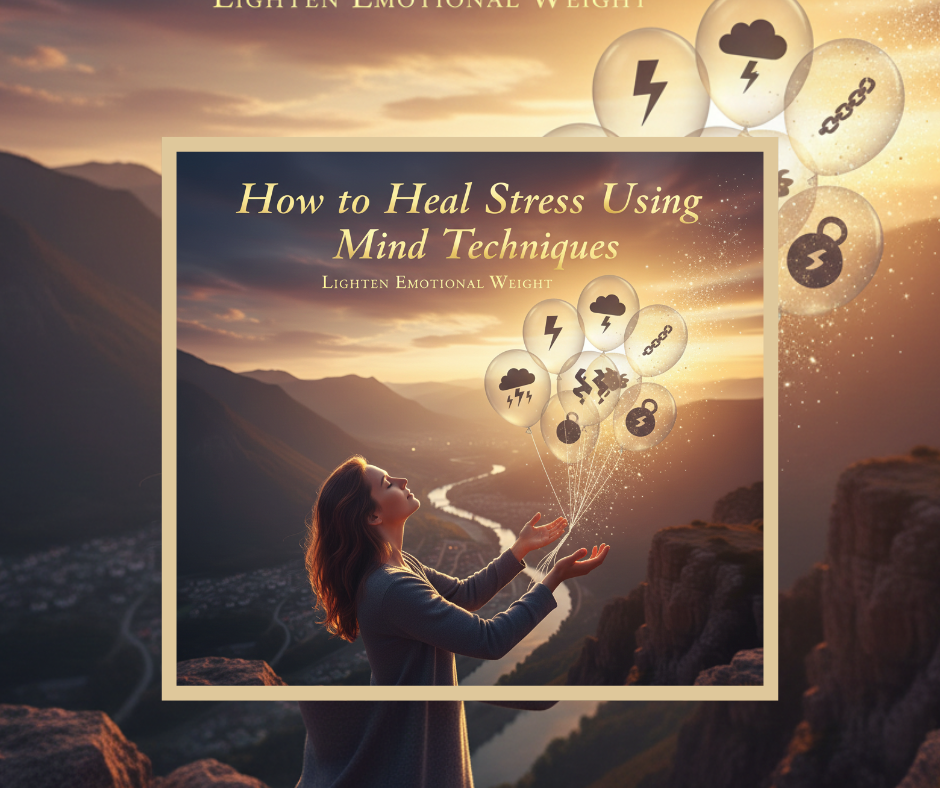
Releasing Emotional Weight Gently
Emotional release does not require intense reflection or effort. Gentle awareness softens the intensity of emotions. When you notice feelings without judgment, they naturally lose power. Mental peace exercises provide structure for this release, helping you maintain emotional stability in daily life.
Daily Mental Reset Techniques
Pause and check in with your emotions.
Name the feeling silently in your mind.
Breathe deeply and allow space for release.
Regular practice prevents emotional buildup and keeps reactions lighter. Emotional calm techniques become a daily habit, supporting long-term stress relief.
Building Emotional Balance Over Time
Consistency is key. Each calm response rewires the mind. Stress reactions soften naturally, and healing anxiety with mind work strengthens resilience. Over time, mental clarity and emotional stability become the default state, allowing stress to have less influence over your life.

9. Creating a Daily Mind Routine for Stress Healing
Stress Healing Does Not Require Marathon Effort
A lot of people assume stress can be fully healed only by long meditation sessions or complicated routines. This belief often leads to frustration and quitting. In reality, how to heal stress using mind techniques works best when daily practices are simple, consistent, and easy to integrate into life. Calm mind routines are about creating small habits that prevent stress from building up, not about extreme effort.
Morning Mind Techniques to Prevent Stress Buildup
The way you start the day sets the tone for your mental state. A few quiet minutes in the morning can prevent stress from accumulating. Sit comfortably, take deep breaths, and set a calm intention for the day. Even noticing your thoughts without judgment helps maintain a stress free mindset. How to heal stress using mind techniques includes these morning stress healing habits, which prepare your mind for challenges and keep mental clarity consistent throughout the day.
Midday Mental Reset Habits
Stress often peaks around midday, especially when tasks pile up. Short resets can prevent mental overload. Pause for a moment, take a few deep breaths, and notice any tension in your body. These small daily mind techniques for stress healing interrupt stress patterns, refresh focus, and reduce emotional weight, allowing you to continue the day with calm.
Night Practices to Calm the Mind Naturally
Nighttime is when the mind reviews the day, replaying events and creating tension. Simple evening practices like gentle breathing, awareness, or visualization can help calm mental noise. Calm mind routines at night not only improve sleep but also support emotional recovery, making it easier to start the next day with a clear and relaxed mind.
Consistency Over Intensity
Daily routines do not have to be long or complicated. Small, consistent practices build lasting results. Stress healing habits become automatic when performed regularly, even if for just a few minutes. The key is to create a rhythm rather than pushing the mind too hard, ensuring mental health self healing is sustainable over time.
10. Common Mistakes That Slow Stress Healing
Expecting Instant Results
Many expect immediate relief from stress healing practices. When results do not appear quickly, they get discouraged. Stress recovery techniques work gradually, retraining the mind over days and weeks. Understanding that stress free mindset develops slowly helps you stay patient and consistent.
Forcing the Mind Instead of Guiding It
Trying to control thoughts aggressively creates tension rather than relief. Healing stress naturally is about gentle guidance, not force. Letting the mind settle while practicing mental focus, awareness, or visualization ensures deeper, long-lasting results. Mental health self healing thrives on ease, not struggle.
Skipping Daily Practice
Inconsistent practice slows progress. The mind learns through repetition. Missing sessions weakens habits and prolongs stress. Daily mind techniques for stress healing, even if brief, maintain momentum and strengthen the nervous system’s ability to respond calmly.
Staying Patient and Committed
Stress healing is a journey, not a race. Small shifts in reactions, better sleep, and lighter emotional responses are signs of progress. Staying committed, celebrating small wins, and continuing consistent practice ensures long-term results. Stress recovery techniques combined with a patient approach make calm and mental clarity achievable.
11. Signs Your Stress Is Healing
Stress Disappears Gradually, Not Overnight
Some people believe that once you start mind techniques for stress, you will immediately feel calm and tension-free. This is not true. Stress healing is a gradual process, and subtle shifts are often the first signs. Noticing these changes early is important because they indicate that your efforts are working.
Improved Sleep and Mental Clarity
Better sleep is one of the first clear signs of stress healing. When the mind practices awareness, focus, and visualization regularly, mental clarity for stress improves naturally. Thoughts become organized, decision-making feels easier, and the mind stops racing. Inner calm practices support this transformation by reducing the habitual tension that disrupts rest and clarity.
Emotional Reactions Feel Lighter
As stress begins to release, emotional responses soften. Small triggers no longer provoke strong reactions, and you recover faster from challenging situations. This is a clear sign that mental strength against stress is developing. Emotions are still present, but they do not control your thoughts or behavior as before.
Better Focus and Calm Thinking Habits
Focus improves as the mind learns to settle and sustain attention. Calm thinking habits replace constant worry or mental chatter. Daily use of mind techniques trains the brain to respond instead of reacting. This not only reduces stress but also builds confidence in your mental resilience.
Feeling More in Control Mentally
A true indicator of progress is a sense of control over your mind. You notice choice and calm where once there was panic. Mental strength against stress grows steadily, making you feel more empowered in your daily life. Inner calm practices become a natural part of your mental routine.
12. How Long It Takes to Heal Stress Using Mind Techniques
Stress Healing Does Not Follow a Set Timeline
A common misconception is that stress healing can happen in a fixed number of days. Realistically, how to train the mind to release stress varies for each individual. Progress depends on factors like daily practice, emotional load, and consistency. Understanding this prevents frustration and helps maintain commitment.
What Realistic Progress Looks Like
You may notice calmer mornings, fewer intense reactions, and improved focus. Stress may still appear, but it passes more quickly. Recognizing these small victories is crucial because they show that natural mind practices for stress control are effective and building long-term resilience.
Factors That Affect Healing Speed
Healing speed depends on your lifestyle, emotional challenges, and level of consistency. Regular practice of mind awareness, visualization, and focus techniques accelerates results. Gentle commitment works better than forcing rapid change, as the mind responds to safety and repeated gentle guidance.
Why Gentle Practice Works Best
Stress releases naturally when the mind feels safe, not pressured. Gentle practice builds trust and reduces resistance. Over time, the mind adapts to respond calmly and effectively. This makes mental clarity and emotional balance sustainable.
Encouragement to Stay Consistent
Consistency is more important than intensity. Missing a session does not erase progress; returning with ease maintains momentum. Daily natural mind practices for stress control strengthen the mind’s ability to manage tension and foster long-lasting calm.
Need any guidance Reach out to us.