1. Introduction
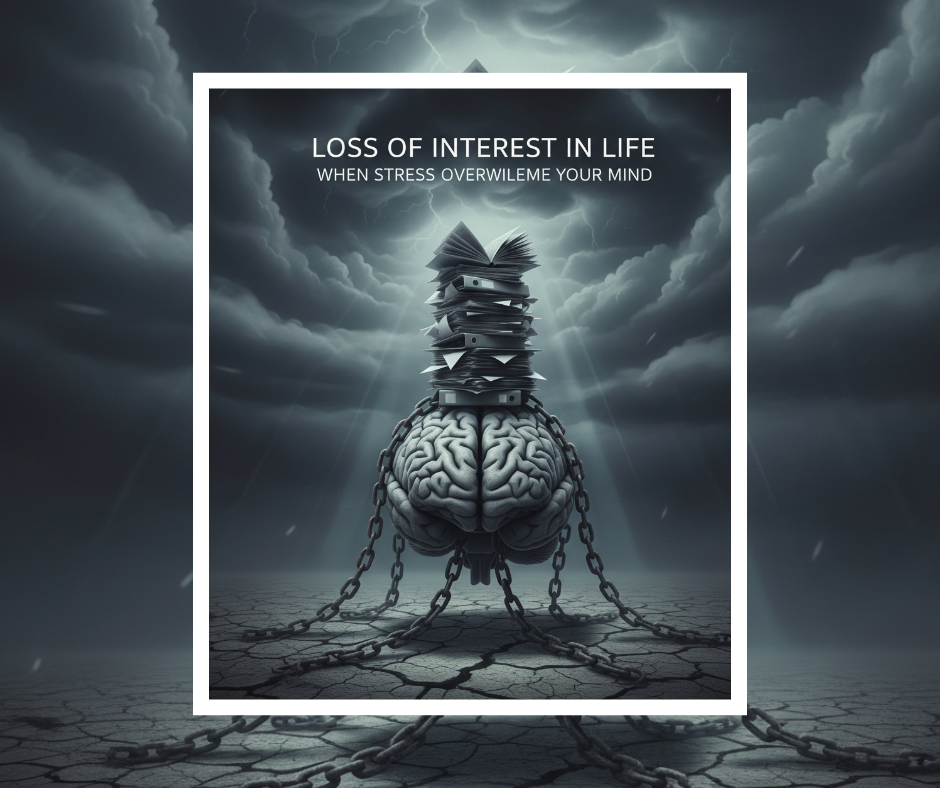
Many people think that losing interest in life is just laziness or lack of motivation. However, this is far from the truth. In reality, feeling disconnected, unmotivated, or emotionally drained can happen to anyone, and it usually signals deeper issues in mental or emotional health.
For instance, you might notice that hobbies, work, or social events that once brought joy now feel meaningless. At the same time, everyday tasks may feel overwhelming or exhausting. This gradual disconnection is what experts call a loss of zest for life, emotional numbness, or lack of enthusiasm.
Fortunately, it is possible to regain motivation and passion. By understanding why these feelings appear and using practical strategies, you can start feeling alive and engaged again.
2. Understanding a Loss of Interest in Life
2.1 What It Really Means
Simply put, a loss of interest in life or struggling to enjoy life is when activities, people, or experiences that once mattered no longer bring satisfaction. It is more than just feeling tired or bored. Often, it comes with low energy, lack of focus, and a sense of emptiness.
Sometimes, this feeling is described as life motivation lost, feeling life is meaningless, or lack of drive. While occasional boredom is normal, persistent disinterest can affect relationships, work performance, and overall well-being.
2.2 Common Signs to Watch For
You might start noticing subtle changes first, such as:
Feeling emotionally numb or detached
Loss of energy or constant fatigue
Avoiding activities you used to enjoy
Difficulty concentrating or making decisions
Feeling hopeless or disconnected from your purpose
These signs often show that your mind and body are overwhelmed, even if you don’t immediately recognize it.
2.3 Why People Experience This
There are several reasons why someone might experience a loss of interest in life:
Mental health struggles – Depression, anxiety, or prolonged stress can drain your emotional energy.
Burnout from daily routine – Repeating the same tasks every day without fulfillment can lead to apathy.
Social disconnection – Feeling lonely or isolated reduces engagement with life.
Physical health factors – Poor sleep, diet, or lack of exercise can affect mood and motivation.
By identifying the underlying cause, you can better target the right solutions.
3. Main Reasons Behind Losing Interest in Life
It is a common misconception that losing interest in life happens just because someone is lazy or unambitious. The truth is, this feeling usually comes from deeper emotional, mental, or physical factors that quietly drain energy and motivation over time.
3.1 Emotional and Mental Fatigue
One of the biggest culprits is emotional and mental fatigue. Constant stress, overthinking, or dealing with unresolved emotional issues can leave your mind exhausted. This mental exhaustion often shows up as emotional drain, making even simple tasks feel overwhelming. You might notice that you feel tired all the time, unmotivated, or unable to focus on anything meaningful.
3.2 Stress and Daily Burnout
Another major factor is daily stress and burnout. When routines become monotonous, or work and personal responsibilities pile up, it’s easy to experience fatigue and apathy. Life can start to feel like a repetitive cycle, leaving you disinterested in activities that once brought joy. Over time, this constant pressure can make your mind shut down emotionally, which worsens the feeling of losing purpose.
3.3 Lack of Purpose or Direction
Sometimes the reason is not about stress but about feeling stuck. When you lack a clear purpose or direction, it’s common to experience loss of purpose. This can happen at any age or stage of life. You might wonder why you are doing what you do or feel uncertain about the future. This sense of aimlessness can make life seem meaningless and sap motivation.
3.4 Loneliness and Social Disconnection
Isolation can also play a big role. Feeling lonely or disconnected from friends, family, or community can make it hard to enjoy life. Even when surrounded by people, emotional disconnection can leave you struggling with life. Humans are social creatures, and without meaningful connections, enthusiasm for life naturally fades.
3.5 Physical Health Impact on Mood and Energy
Lastly, physical health directly affects emotional well-being. Poor sleep, lack of exercise, unhealthy diet, or chronic illness can cause low energy levels and mood swings. When the body feels weak or drained, it’s harder to stay motivated, and life starts to feel like a series of chores rather than enjoyable experiences.
4. How to Cope with Loss of Interest in Life
It’s easy to assume that these feelings will just go away on their own. Unfortunately, ignoring them usually makes things worse. The good news is, there are practical steps you can take to regain motivation and joy.
4.1 Recognize and Accept the Feelings
The first step is simply acknowledging what you feel without judgment. Denying your emotions often increases stress and anxiety. By accepting that you are experiencing a loss of interest in life, you can start taking conscious steps to address it.
4.2 Identify Triggers and Patterns
Pay attention to situations, people, or habits that drain your energy. Identifying these triggers helps you understand why you feel struggling to enjoy life or why daily activities seem pointless. Over time, noticing patterns can guide you toward changes that actually improve your mood and energy.
4.3 Start Small with Daily Routines and Enjoyable Activities
You don’t need a complete life overhaul overnight. Begin with small, manageable routines. Even a short walk, journaling, or a hobby you used to enjoy can create momentum. Gradually, these small actions help rebuild your drive and reduce disinterest in activities.
4.4 Seek Support from Friends, Family, or Professionals
Talking about how you feel is powerful. Friends, family, or mental health professionals can provide guidance, encouragement, and practical support. Seeking help also reduces feelings of isolation and helps you cope with emotional numbness or mental fatigue more effectively.
4.5 Focus on Self-Care and Simple Habits
Self-care is not a luxury; it’s essential. Simple habits like regular sleep, balanced meals, light exercise, and relaxation techniques improve both mood and energy. Over time, consistent self-care routines help restore life satisfaction and make daily experiences more enjoyable.

5. Practical Strategies to Regain Motivation and Joy
It’s easy to assume that once you feel disconnected or unmotivated, there’s nothing you can do to feel alive again. The truth is, small but intentional actions can make a huge difference in rekindling your energy and enthusiasm.
5.1 Reignite Passion Through Hobbies or Creative Outlets
Sometimes all it takes is a spark. Reconnecting with hobbies or creative outlets is one of the most effective ways to find joy after feeling disconnected. Whether it’s painting, writing, playing music, or gardening, dedicating time to activities you love can restore mental clarity, reduce fatigue, and bring back a sense of purpose.
5.2 Set Small, Achievable Goals
Overcoming life dissatisfaction doesn’t happen overnight. Start by setting small, realistic goals that are easy to achieve. Completing these goals gives a sense of accomplishment and gradually builds momentum. Even tiny wins help combat hopelessness and make daily life feel more manageable.
5.3 Practice Mindfulness or Meditation
Mindfulness and meditation are powerful tools for emotional recovery and mental clarity. Spending even a few minutes each day focusing on your breath or observing your thoughts can help you regain focus, reduce stress, and reconnect with the present moment. Over time, these practices improve overall emotional well-being and motivation.
5.4 Keep a Gratitude Journal
Writing down things you’re grateful for may sound simple, but it works. A gratitude journal shifts your perspective away from what’s missing to what you already have. This small habit boosts mood, reduces negative thinking, and encourages a more positive outlook on life.
5.5 Regular Physical Activity to Boost Mood
Exercise does more than keep your body fit; it’s a natural mood booster. Regular physical activity increases energy levels, reduces fatigue and apathy, and improves self-esteem. Simple routines like walking, stretching, or light workouts can make a noticeable difference in how motivated and engaged you feel.
5.6 Avoid Negative Influences and Energy Drains
Sometimes, the people or environments around us contribute to feeling stuck. Identifying and minimizing exposure to negative influences helps protect your energy. Surround yourself with supportive individuals, inspiring content, and activities that uplift your mood.
6. How to Prevent Future Loss of Interest in Life
Many think that once they regain motivation, they’re done. In reality, preventing future dips in energy and engagement requires ongoing attention and habits that nurture both mind and body.
6.1 Maintain a Balanced Lifestyle
A balanced lifestyle is key for long-term mental wellness. This includes managing work and personal time, eating well, exercising, and allowing for rest. A consistent routine helps sustain energy and prevents life motivation from fading again.
6.2 Regularly Check in With Emotional and Mental Health
Self-awareness is essential. Periodically checking in with your emotional and mental health can help you notice early signs of fatigue or mood disorders. Journaling, self-reflection, or even talking to a professional ensures you address issues before they grow.
6.3 Stay Connected With Social Support Networks
Humans thrive on connection. Maintaining strong relationships with friends, family, or communities prevents isolation and provides encouragement during low-energy periods. Feeling connected reduces the risk of losing interest in daily activities and strengthens resilience.
6.4 Pursue Continuous Personal Growth and Learning
Engaging in personal growth and learning keeps life stimulating and meaningful. Exploring new skills, hobbies, or knowledge areas prevents stagnation, builds confidence, and combats lack of ambition. Continuous growth keeps life exciting and helps you stay motivated.
7. Long Term Mindset Shifts for a Happier Life
Some people assume that once motivation returns, everything else falls into place automatically. The truth is, sustaining energy, joy, and engagement requires intentional mindset shifts that last a lifetime. Without them, it’s easy to slip back into feeling disconnected or unmotivated.
7.1 Focus on What You Can Control, Let Go of What You Cannot
A lot of stress and burnout comes from trying to control things that are simply out of our hands. Shifting focus to what you can influence—your actions, habits, and reactions—reduces frustration and helps you feel empowered. Letting go of uncontrollable situations frees up energy to invest in meaningful activities and relationships.
7.2 Embrace Small Wins and Daily Achievements
Celebrating small accomplishments every day reinforces a positive mindset. Even tiny steps like completing a task, going for a walk, or connecting with someone you care about count. Recognizing these wins builds confidence, combats hopelessness feelings, and encourages momentum toward bigger goals.
7.3 Cultivate Optimism and Resilience
Life will always throw challenges your way, but cultivating optimism helps you navigate them with grace. Resilience—the ability to bounce back from setbacks—reduces the impact of overcoming sadness or temporary demotivation. Simple practices like reframing negative thoughts, focusing on solutions, and maintaining hope strengthen emotional stamina over time.
7.4 Keep Exploring Passions and Interests to Avoid Stagnation
Continuing to explore new hobbies, skills, or learning opportunities keeps life engaging. Avoiding stagnation prevents losing zest for life and restores enthusiasm. Trying something new, even on a small scale, can spark joy, creativity, and renewed motivation that fuels daily life.
8. Conclusion
It’s a common belief that losing interest in life is permanent or unchangeable. In reality, with awareness, small steps, and consistent habits, anyone can regain energy, motivation, and purpose.
To recap, practical strategies like reconnecting with hobbies, setting achievable goals, practicing mindfulness, exercising, and maintaining social connections all work together to combat disconnection and apathy.
The key is to take small, actionable steps every day. Focus on habits, mindset shifts, and self-care that keep your mental and emotional energy strong. Remember, regaining joy and engagement is a journey, and every positive action adds up. By staying consistent, you can create a life full of purpose, excitement, and motivation.
For any support or guidance, feel free to reach out—our team is always here to help you every step of the way.